Give Curiosity a Place in Your New Routine
Retirement can create time for learning while removing the schedules that once made time feel organized. You may have a list of subjects you want to explore and still find that weeks pass without beginning. Keeping a learning habit is less about filling every free hour than making the next encounter with a subject easy to reach. Choose something you actually want to understand, find a suitable starting resource, and create a modest rhythm for returning to it. You do not need to imitate a school timetable or turn every interest into a qualification. A useful routine allows questions, practice, interruptions, and changes of direction. The goal is to keep curiosity active in ordinary life, with enough structure to continue and enough flexibility to enjoy what you discover.
A: Start with a question specific enough to identify a resource and a next step.
A: No. Choose a realistic rhythm that fits attention, access, and other responsibilities.
A: Review the last clear point and return without treating missed time as a debt.
A: Choose a suitable starting resource and engage with it before gathering more.
A: It can reveal which part you can explain and where a further question is useful.
A: No. Independent study, practice, and discussion can also provide meaningful routes.
A: Identify the mismatch and consider another approach before judging the whole subject.
A: Keep claims proportionate to your knowledge and refer important specialist decisions to qualified sources.
A: Yes. The experience can guide a different choice without making the trial worthless.
A: A manageable starting point, a clear next step, and permission to revise the arrangement.
Choose One Question With Enough Shape to Begin
Suppose you keep noticing an old building on a familiar route and want to know what it was used for. That is a more usable beginning than deciding to study the whole history of your town. Write down the building’s name or location and one question: ‘What happened here before its present use?’ You now have something specific to bring to a library or a local history resource.
Your first session could be finding one reliable account and noting what it establishes. Perhaps it identifies an earlier business but leaves the change of use unexplained. That gap supplies the next question. You are beginning to build understanding, rather than collecting every available book about the town. An interest can grow wider later without needing to be broad at the start.
Keep other tempting subjects on a separate list. You might notice a nearby bridge or a family connection during the search, but you do not have to pursue them immediately. Finish enough of the first inquiry to explain what you learned. Then decide whether to follow the building further or choose another question. Giving one interest a temporary focus makes the next learning session easier to start.
Find a Starting Resource You Can Actually Use
Choose a resource matched to your starting knowledge and preferred format. A clear introductory book, suitable demonstration, reputable educational course, or knowledgeable teacher may offer a useful beginning. Look at who produced it and what prior understanding it assumes. A prestigious advanced source can be less helpful than a reliable introduction that explains the foundations you need. Learning becomes easier when the first step is understandable enough to attempt.
Test a small portion before committing substantial time or money. Read a sample, attend an introductory session where available, or examine the course’s stated requirements. Check access, equipment, and any current terms that affect participation. A mismatch is information about the resource, not proof that the subject is beyond you. You can look for a different explanation before abandoning an interest you still want to explore.
Attach Learning to a Workable Part of the Week
Notice when you usually have enough attention and a suitable setting. A short period after breakfast may work for one person, while another prefers a class or an afternoon without household interruptions. Choose a realistic opening rather than an ideal schedule that depends on every day going perfectly. Include the preparation the activity requires. If the materials are difficult to reach or the setup takes too long, simplify that practical barrier. A modest repeated arrangement is easier to maintain than a demanding plan that leaves no room for the rest of your life.
Make the Next Session Easy to Start
At the end of the building-history session, leave yourself a short handover: ‘The library account gives the former business name; next, check when it moved.’ Keep the source information beside that sentence. When you return, you do not need to reconstruct why the subject interested you or search for the same page again. The note preserves your place in the inquiry.
Arrange a modest next opportunity that fits your week. You could read a little more after breakfast on Friday or take the question to the library on an outing you already planned. Keep the necessary material together in a folder or saved location. The arrangement needs to make continuing convenient; it does not need to resemble a school timetable or a detailed study administration system.
If a week passes without returning, begin from the handover rather than treating missed time as work to repay. Read the last note, review the source briefly, and choose the next action. A portable question and a findable starting point can survive interruptions. Over time, this becomes a routine for returning to curiosity even when the particular subject or the amount of available time changes.
Use Active Practice Where the Subject Calls for It
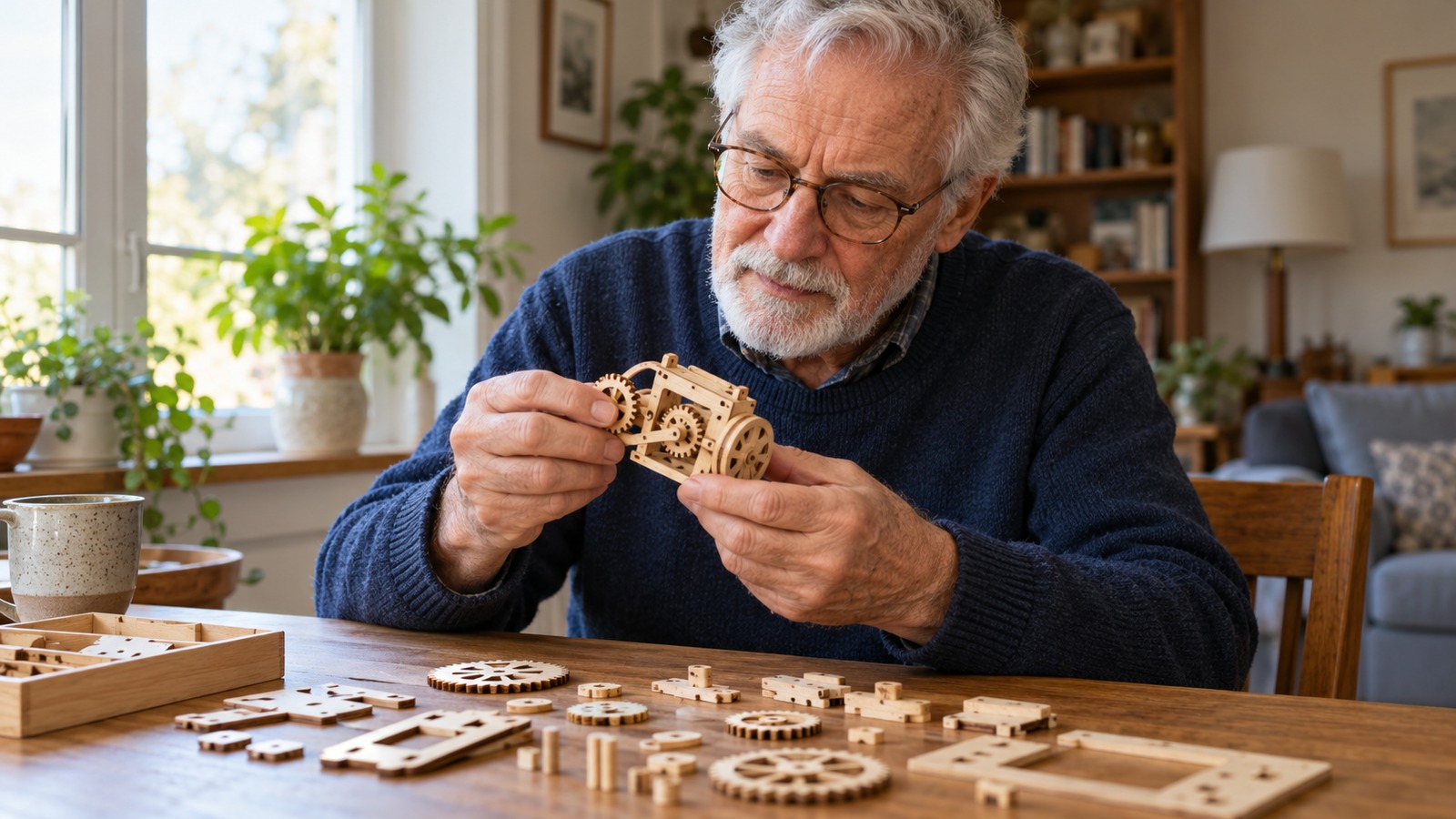
Some learning requires doing rather than only watching or reading. If you are exploring a skill, choose an appropriate small task that uses what was demonstrated. Follow relevant safety instructions and seek suitable guidance for unfamiliar tools or procedures. Watching an expert can make a technique appear easier than it feels at first. Give yourself room to understand the steps without assuming that a smooth demonstration should produce immediate fluency in your own hands.
Explain an Idea in Your Own Words
After an explanation, close the source and describe the idea in ordinary language. For the building example, you might tell a willing listener what its earlier use was and which evidence supports that account. If you cannot explain a connection, return to that part of the material. The gap gives the next session a purpose. A short explanation can make your understanding more visible than another hour spent collecting references.
Keep the explanation honest about what remains uncertain. You might know that a business occupied the building without knowing why it left. Saying so leaves a clear distinction between a documented fact and your interpretation. A question from the listener may suggest another avenue, or you may decide the original inquiry is sufficiently answered. The exercise is useful because it helps you see what you understand and what you want to investigate next.
Let Questions Guide the Order of Study
You do not always need to follow a whole textbook or course from beginning to end, although some skills depend on a clear sequence. Ask whether the subject requires foundations before later steps. An instructor or reliable introductory resource can help. When a new question appears, note it and decide whether to explore it now or return later. Curiosity can influence the route without dissolving every session into unrelated searches.
Use more than one appropriate source when an explanation is confusing or a claim seems uncertain. Compare what each source actually says and why it may differ. Check dates where information changes, and prefer original research or official guidance when the topic requires them. A popular summary can be an introduction, but it may leave out qualifications. Learning includes recognizing what you do not yet have enough evidence to conclude.
Avoid allowing the search for the perfect resource to replace engagement with a good one. Once you have a suitable starting point, spend time with it before collecting more. You can improve the selection as your questions become clearer. A growing pile of links and books may feel productive while leaving the original subject untouched. The useful question is what you are beginning to understand or practice, not how much material you have gathered.
Choose Company That Supports Your Learning
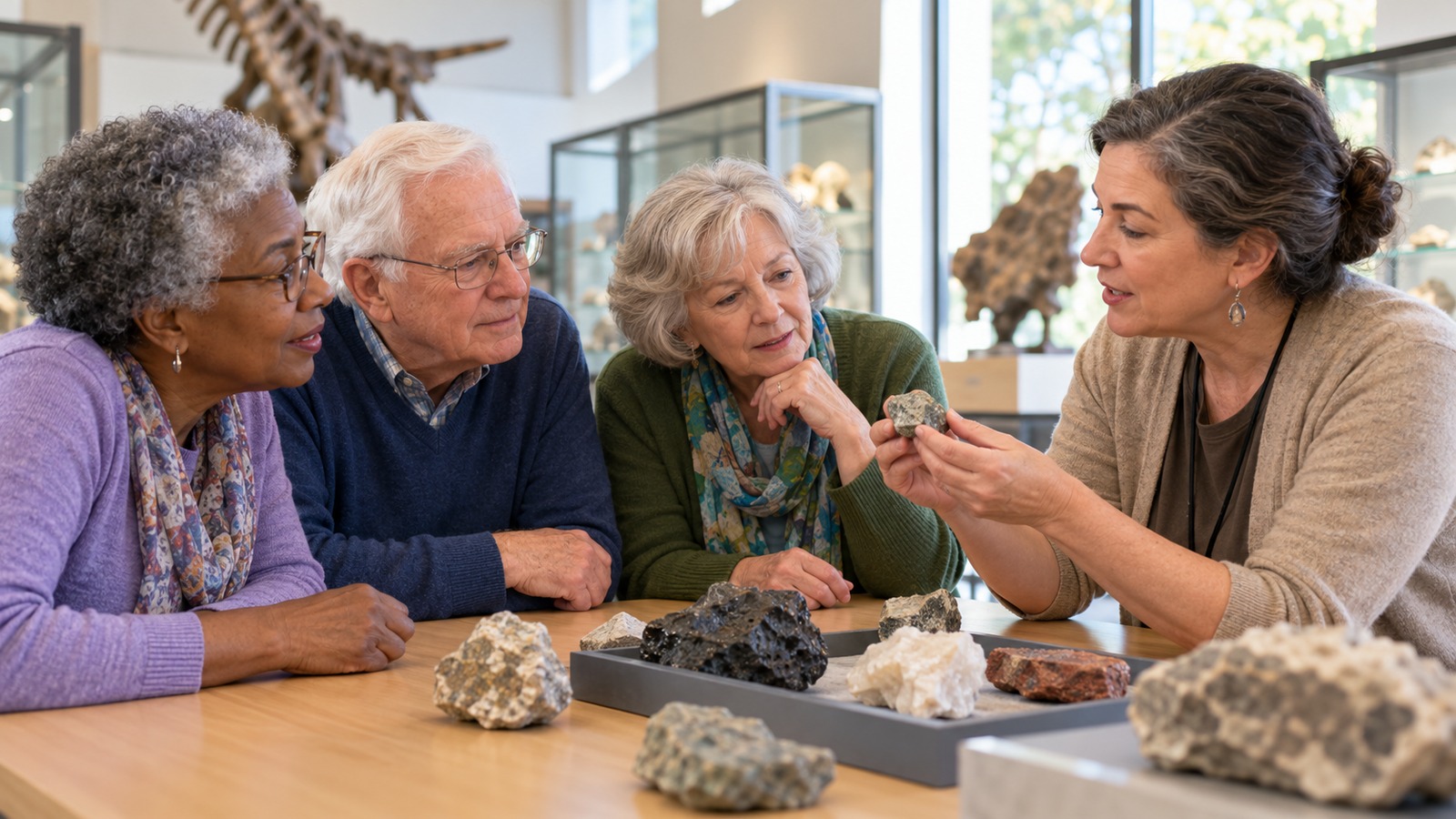
A class, study partner, discussion group, or community program can provide structure and another perspective. Explain what kind of interaction you want: shared practice, discussion, accountability, or help clarifying ideas. Ask about expectations before joining. A casual group and a formal course can both be worthwhile, but they may not serve the same purpose. Choose a setting where questions are welcome and your preferred level of participation can be understood.
Keep the relationship mutual. A friend may enjoy discussing a book without wanting to become your permanent tutor. An instructor may have a defined route for questions rather than being available at all hours. Respect those arrangements and state your own limits too. Supportive learning company gives you room to engage without turning curiosity into an obligation to attend every extra event or share more personal information than you want.
Expect Interruptions and Plan a Gentle Return
Travel, family responsibilities, illness, and ordinary changes can interrupt a routine. A missed period does not require you to repay every planned session before continuing. Return to the last clear point, review enough to orient yourself, and choose the next manageable step. If circumstances have changed substantially, revise the schedule or format. The habit exists to support your learning, not to become a debt that makes you reluctant to begin again. You can preserve interest through a smaller version until more time or energy becomes available.
Notice Progress Without Turning It Into Constant Testing
Progress may appear as a clearer question, a familiar term, a task you can complete with less guidance, or the ability to notice something you previously overlooked. These signs can be useful even when there is no examination or certificate. Ask what has become more understandable and what you would like to explore next. Your original purpose should guide the assessment rather than an invented standard of how quickly an older learner ought to improve.
Keep occasional samples if they help you see change. A short explanation, practice piece, or completed exercise can provide a point of comparison later. Avoid reviewing every attempt as a verdict on your ability. Learning often includes uneven sessions and ideas that need revisiting. If a particular obstacle continues, ask for a different explanation or an appropriate starting level. More pressure is not always the most useful response to confusion.
Know When to Change the Plan
You may discover that the subject interests you but the pace, teacher, resource, or technology does not fit. Identify which part is causing difficulty before deciding what to abandon. A different format or smaller focus may preserve the interest. Conversely, it is reasonable to decide that you no longer want to pursue a topic. A thoughtful trial can still have taught you what you prefer.
Consider the demands of the whole arrangement. A rewarding session may be difficult to sustain if the journey, cost, or preparation crowds out essential responsibilities. Ask about alternatives and verify any promised support. You can choose a less demanding route without making the learning less serious. A workable plan gives you an opportunity to continue; an impressive plan that repeatedly fails to happen offers little experience to build on.
Health or functional concerns should receive appropriate attention when they affect daily life. Do not use a study routine to diagnose a problem or assume that difficulty with one unfamiliar task establishes decline. Explain meaningful changes to a health professional when warranted. At the same time, ordinary confusion in a new subject can be discussed with an instructor. Different concerns need different kinds of support, and neither needs to be settled through self-criticism.
Keep the Routine Open to What You Discover
Choose the next small encounter with your subject and arrange the practical details. You might read a section, practice an approved technique, attend a discussion, or return to a question you saved. Let the session be substantial enough to engage with and modest enough to fit. You do not need to reorganize retirement around an identity as a student before you begin.
Over time, your routine can grow more structured, become more independent, or lead toward a different interest. Keep checking whether it serves curiosity and the life you want. Learning after retirement can include pleasure, challenge, conversation, and useful skill without requiring a single outcome for everyone. Its continuity comes from a repeatable way to return, with the freedom to keep asking what you want to understand next.