
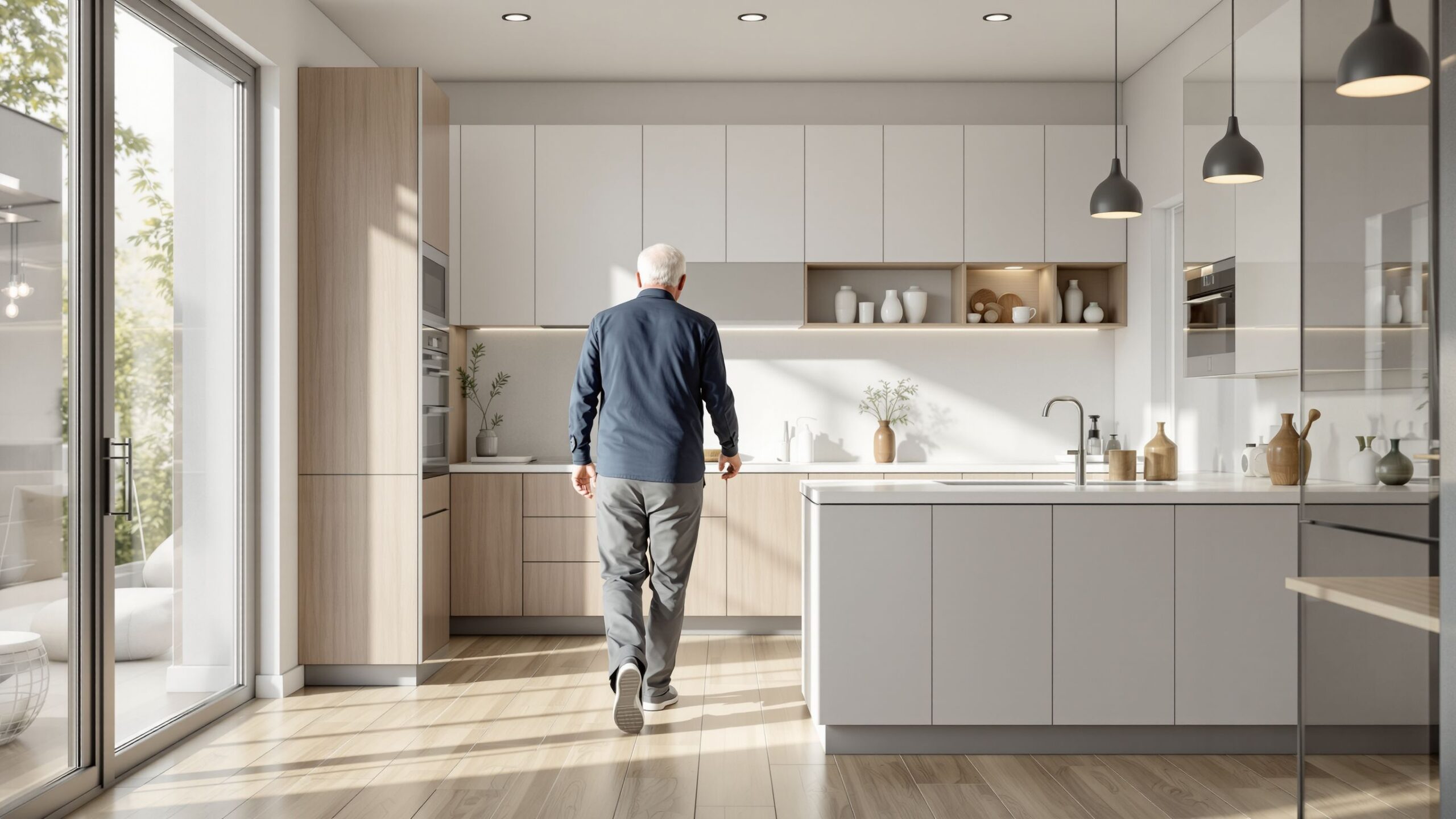
A safe home isn’t just about protection—it’s about peace of mind, confidence, and the freedom to move through each day without hesitation. Home Safety & Accessibility Products are designed to transform everyday spaces into supportive environments where comfort and independence go hand in hand. From sturdy grab bars and non-slip flooring to stair lifts, ramps, and smart lighting systems, these solutions help reduce risks while enhancing ease of living.
This space is your go-to resource for finding the right upgrades that truly make a difference. Whether you’re planning ahead, adapting to changing mobility, or creating a safer environment for a loved one, the right products can turn a house into a secure, empowering haven. We explore top-rated options, compare essential features, and focus on what matters most—reliability, ease of installation, and real-world usability.
Because the goal isn’t just to stay at home—it’s to thrive there. With the right safety and accessibility tools, every room becomes more welcoming, more functional, and more supportive of the life you want to live.
A: Bathrooms are often the best place to start because water, slippery surfaces, and tight movement patterns increase fall risk.
A: Yes, especially in places where sitting, standing, stepping, or turning feels less stable.
A: Yes, better nighttime visibility can make hallways, bathrooms, and stair areas much easier to navigate safely.
A: Bed rails, transfer handles, and nearby lighting often help make those movements safer.
A: No, they can also help seniors who struggle with lower strength, stiff joints, or difficult bathroom transfers.
A: Add secure handrails, stronger lighting, and anti-slip treads while keeping the steps clear and easy to see.
A: Not necessarily. Many newer products are designed to blend in better with everyday home décor.
A: Better lighting, removing trip hazards, and adding support in the bathroom are all strong starting points.
A: Absolutely. Many products support balance, comfort, visibility, and easier movement for everyday aging needs.
A: Because daily routines happen in the same spaces over and over, so even one safer transition can reduce ongoing risk.