
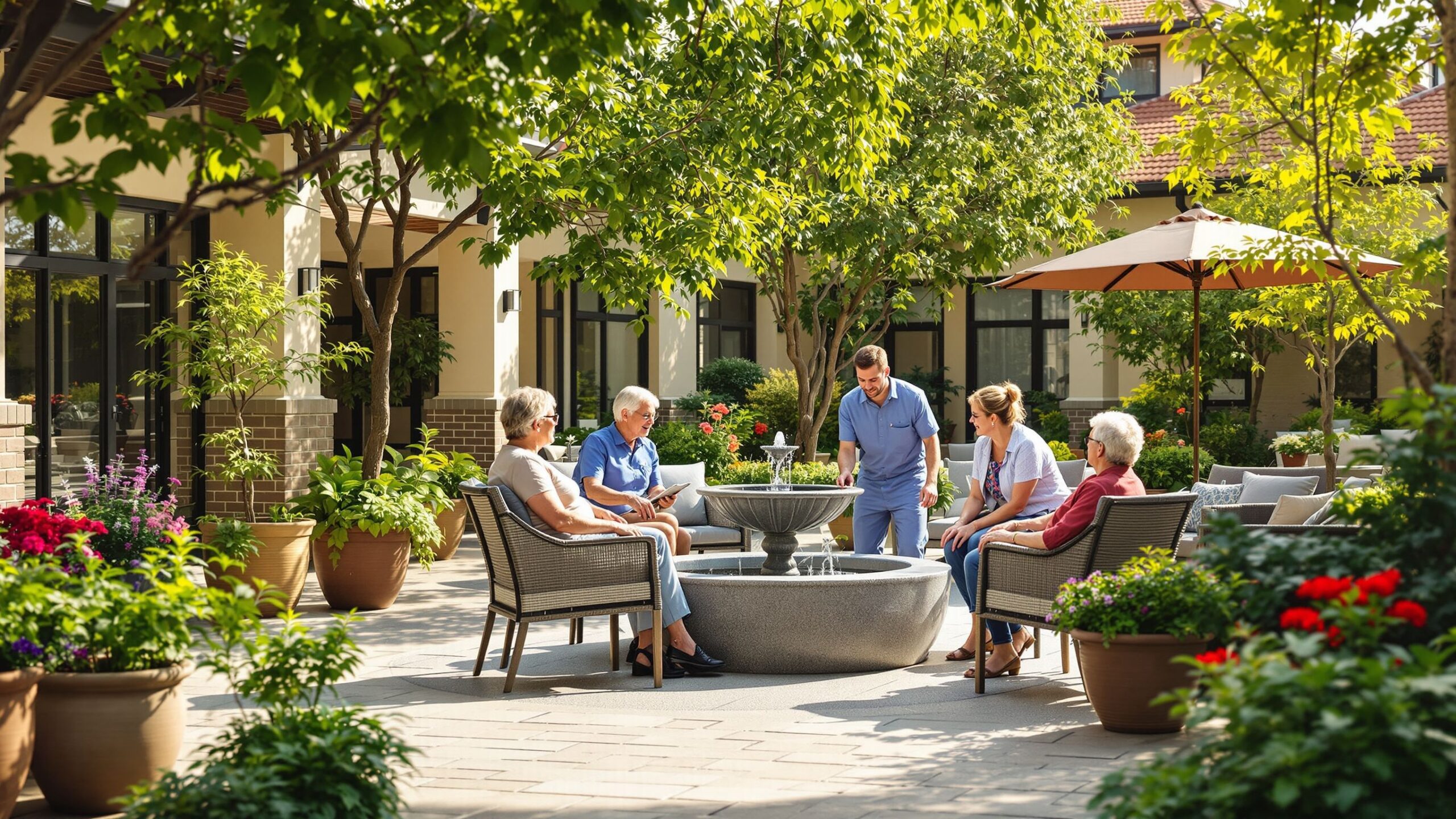
Assisted living and community-based care models offer a thoughtful balance between independence and support, creating environments where older adults can continue living with purpose, connection, and dignity. These communities are designed to meet evolving needs without sacrificing autonomy, blending private living spaces with shared amenities, social opportunities, and access to daily assistance when needed. From traditional assisted living residences to memory care communities, continuing care retirement communities, and innovative co-housing models, each option reflects a different approach to aging well. This section explores how these environments function, what services they provide, and how to choose a setting that aligns with lifestyle, health needs, and personal values. It also looks at the emotional and practical aspects of transitioning into community living, helping families feel informed and supported every step of the way. Whether planning ahead or navigating a current decision, this is your guide to understanding modern senior living options.
A: It is a residential setting that provides help with daily activities while promoting independence.
A: Assisted living focuses on support and lifestyle, while nursing homes provide more intensive medical care.
A: Meals, housekeeping, personal care, medication support, activities, and transportation.
A: Yes, many communities offer tiered care levels that adjust as needs change.
A: Yes, most have private apartments and control over their daily routines.
A: Visit multiple locations, ask questions, and consider lifestyle, care needs, and personality fit.
A: Yes, communities are designed with safety features and staff support available around the clock.
A: Most communities encourage regular visits, though policies may vary.
A: Adjustment takes time, but families and staff can work together to improve comfort and engagement.
A: Not always; care plans can evolve as needs change.