
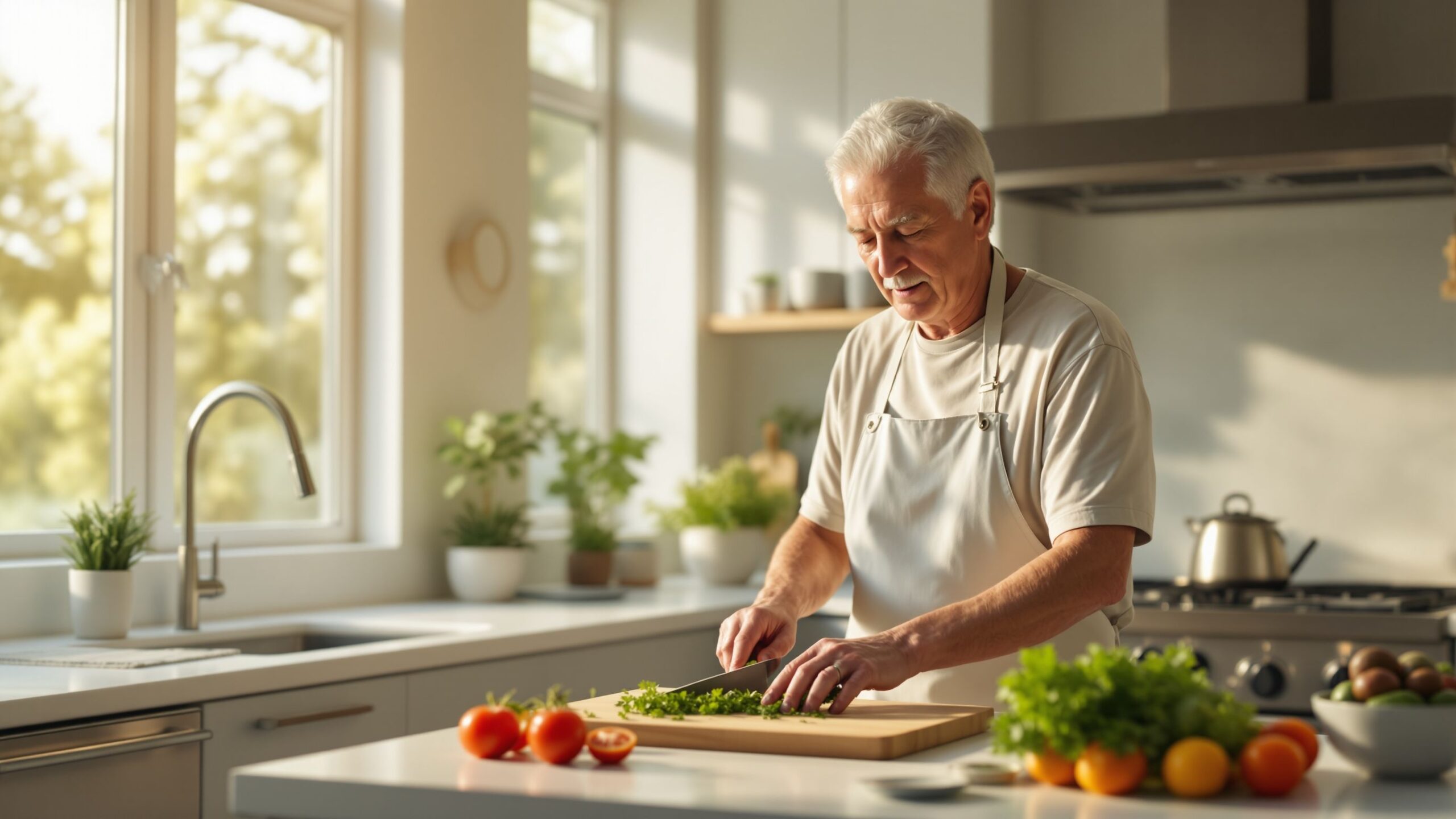
Nutrition and meal independence play a vital role in sustaining energy, health, and daily confidence. On Senior Care Street, this section explores how thoughtful planning and smart adjustments can make eating well both manageable and enjoyable. As routines, appetite, or physical abilities change, maintaining independence in the kitchen becomes a powerful contributor to dignity and self-reliance. Balanced nutrition supports immune function, cognitive clarity, strength, and emotional well-being, while simplified meal strategies reduce stress and fatigue. From designing easy-to-prepare meals and organizing accessible kitchen layouts to embracing adaptive tools and time-saving techniques, small changes can dramatically improve safety and efficiency. Meal independence is not about complexity — it’s about consistency, nourishment, and comfort. Whether cooking daily, preparing meals in batches, or blending convenience with fresh options, the right approach keeps healthy choices within reach. This space highlights practical guidance for safer food preparation, smarter grocery planning, hydration habits, and routines that encourage regular, satisfying meals. Explore empowering ideas designed to support wellness, conserve energy, and keep mealtimes a source of pleasure, confidence, and control.
A: Use shortcuts (frozen veggies, pre-cooked proteins), sit to prep, and rely on simple assembly meals.
A: Bowls, wraps, soups, and snack plates—protein + produce + a fiber-rich carb.
A: Use smaller cookware, portion containers, and a rolling cart or tray.
A: Tie intake to routines—meds, morning coffee/tea, and set phone reminders.
A: Use grocery pickup, delivery, or a weekly shopping day with a short list.
A: Portion immediately into grab-and-go containers and label “eat first” items.
A: Eat smaller, more frequent meals and focus on nutrient-dense options like yogurt, eggs, soups, and smoothies.
A: Yes—frozen produce and meals can be practical, nutritious options that reduce prep time.
A: Keep floors clear, use non-slip mats, good lighting, and avoid step stools.
A: If meal prep becomes unsafe, exhausting, or inconsistent—delivery and community meal programs can protect health and independence.