
Wisdom grows through experience—and sharing it transforms lives. On Senior Care Street, Mentorship & Knowledge Sharing celebrates the profound influence seniors have when guiding, teaching, and encouraging others. Years of lived insight, professional expertise, and personal resilience create a foundation that younger generations deeply value.
This space explores how to become a mentor in schools, community programs, faith groups, businesses, and volunteer organizations. We highlight the emotional and cognitive benefits of teaching, storytelling, and skill-building across generations. Whether offering career guidance, life advice, hands-on training, or simply listening with compassion, mentorship fosters confidence on both sides of the relationship.
Knowledge shared does more than inform—it empowers, connects, and preserves legacy. Through conversation, encouragement, and example, seniors can shape futures while staying actively engaged in the present. Step into a space where your voice, experience, and perspective matter deeply—and where passing on what you know becomes one of life’s most meaningful contributions.
A: Not always—many programs offer simple orientation, and life experience is valuable.
A: Look at schools, nonprofits, faith groups, and community centers.
A: You don’t need to be an expert—sharing lived experiences and listening deeply is enough.
A: Monthly or biweekly check-ins often provide healthy consistency.
A: Support their autonomy—offer guidance but allow them to make their own choices.
A: Yes—regular connection and shared purpose strengthen belonging.
A: Maintain confidentiality and encourage professional support if needed.
A: Absolutely—learning from younger generations keeps perspectives fresh.
A: Offer to share one skill or story with someone who could benefit.
A: Document lessons, create shared projects, and stay connected over time.

How to Become a Mentor After Retirement
Explore a mentor role after retirement by identifying relevant experience, checking programs, completing preparation, and agreeing on clear goals and boundaries.
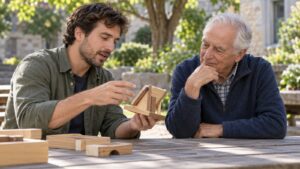
Mentoring After 60: How to Turn Life Experience Into Impact
Make mentoring after 60 useful through attentive listening, contextual examples, practical feedback, and mentee-owned decisions rather than an expanding list of advice.

How Seniors Can Share Their Knowledge With Younger Generations
Share knowledge with younger generations through welcome invitations, clear demonstrations, contextual stories, and mutual projects that leave room for the learner’s agency.
