
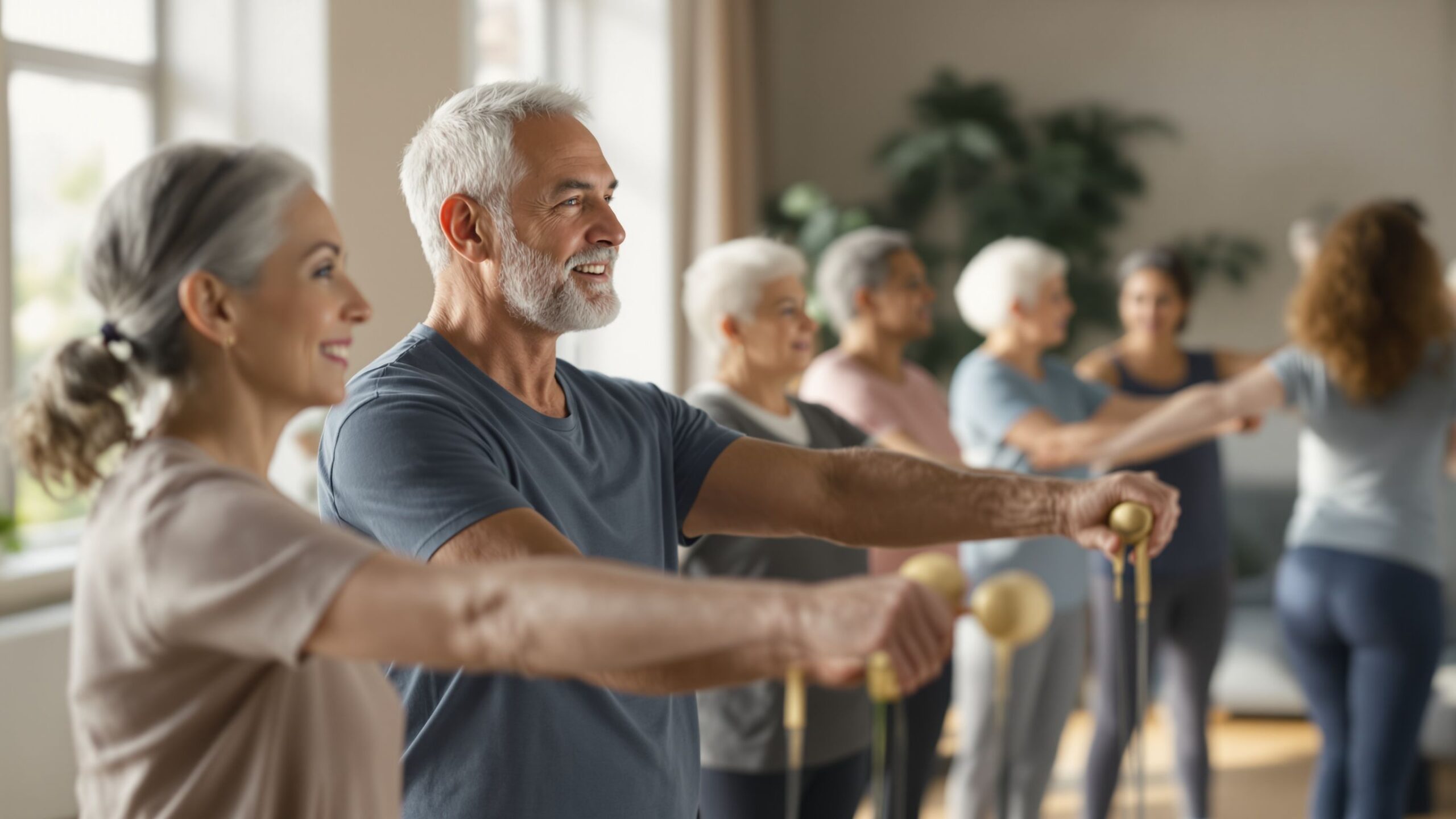
Fitness should adapt to you — not the other way around. “Adaptive Fitness Programs” celebrates movement that respects individual abilities, health conditions, and changing physical needs. In this collection, we explore inclusive, flexible approaches to staying active, building strength, and protecting mobility at every stage of life. You’ll discover how tailored exercise plans can enhance endurance, balance, coordination, and confidence while reducing strain and injury risk. From chair-based workouts and low-impact routines to specialized modifications for joint limitations, recovery, or chronic conditions, each article transforms barriers into possibilities. Because adaptive fitness isn’t about doing less — it’s about moving smarter, safer, and with purpose. Whether you’re beginning a new wellness journey, returning after illness or injury, or seeking sustainable ways to stay active, this space provides supportive, realistic guidance designed for real bodies and real lives. Step into a healthier rhythm where progress feels achievable, movement feels empowering, and activity becomes a source of energy rather than stress. Your personalized path to strength, resilience, and confident living starts here.
A: Anyone needing exercise modifications—seniors, injury recovery, chronic conditions, or mobility limits.
A: Yes—progression and consistency matter more than intensity or complexity.
A: Absolutely—seated training builds strength, endurance, and confidence safely.
A: Many benefit from 10–30 minutes or shorter “movement snacks.”
A: Adjust intensity, range, or duration—flexibility is built into adaptive programs.
A: No—chairs, bands, and light weights are often sufficient.
A: Helpful for complex conditions, balance issues, or pain concerns.
A: Yes—many programs integrate stability and coordination drills.
A: Doing too much too soon instead of progressing gradually.
A: With new pain, dizziness, falls, or medical condition changes.