Choose a New Subject With a First Step You Can Picture
Learning after 60 can begin with a practical skill, an unfamiliar idea, or something you have wondered about for years. You do not need to choose the most impressive subject or turn an interest into a major commitment. The twenty-five possibilities below offer different starting points, each with a modest way to investigate whether you would enjoy continuing. Some involve observation, others involve practice, conversation, research, or making something. Check the actual requirements of a class or activity, and choose resources appropriate to your starting knowledge and circumstances. Your first attempt is allowed to be exploratory. A useful new interest gives curiosity somewhere to go without requiring you to settle how long you will pursue it or what it must eventually produce.
A: Some can begin with a modest resource or trial; others benefit from appropriate instruction.
A: A small introductory experience can clarify what equipment you actually need.
A: Yes. A focused beginning can reveal a new question worth pursuing.
A: Choose according to your own interest and purpose rather than a prestige ranking.
A: Identify one manageable experience or question you would enjoy exploring.
A: No. Private learning and appropriate limits on sharing are valid choices.
A: Ask about alternatives and compare another route into the same subject.
A: Yes, when the exchange is welcome and expectations are clear.
A: Examine their evidence, context, dates, and authority before deciding what can be concluded.
A: Notice curiosity, practical fit, and whether you want another encounter with the process.
Understand More of the World Outside Your Window
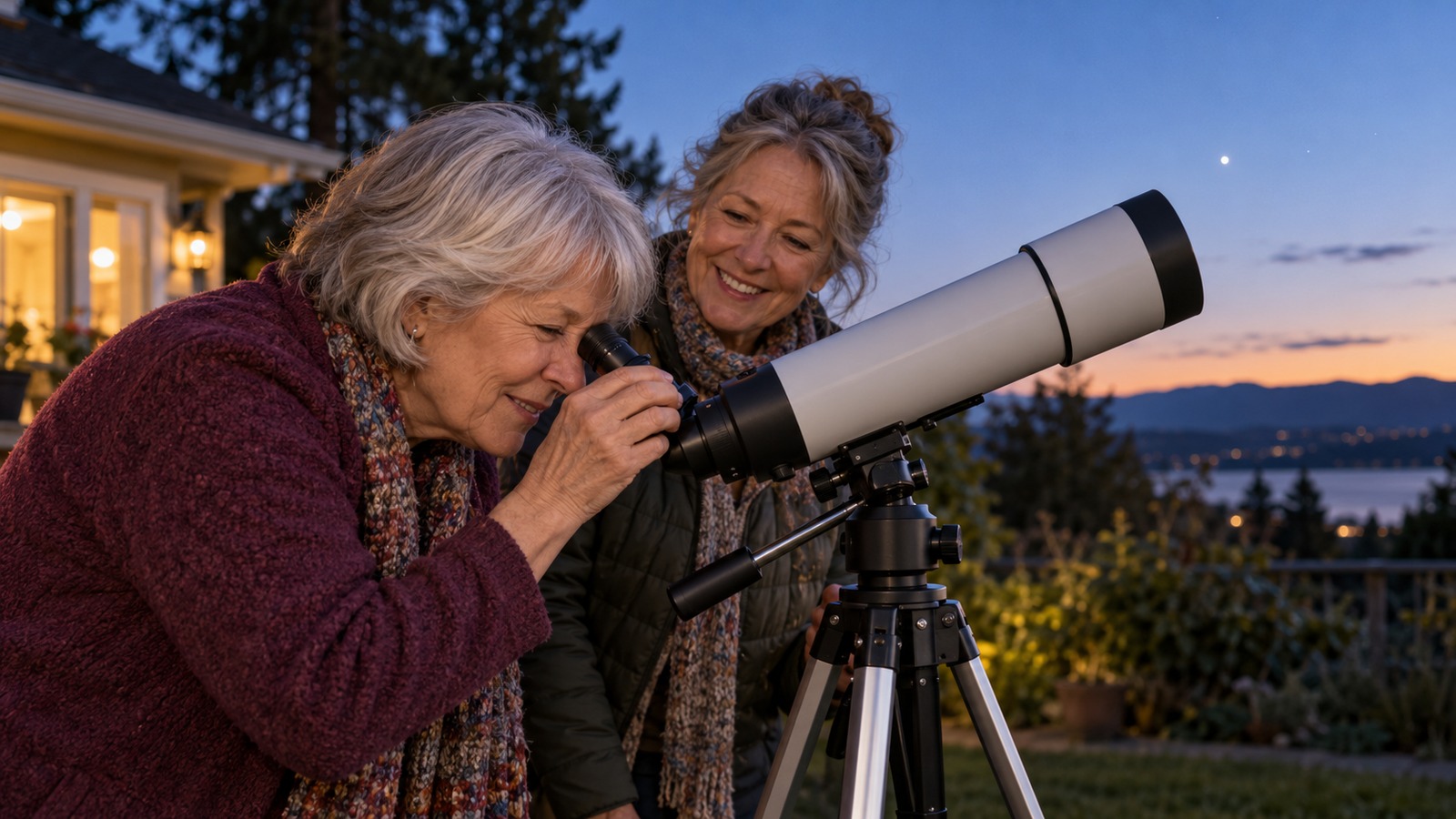
1. Explore introductory astronomy. Begin by learning to recognize a small part of the visible night sky through a reputable beginner resource or local educational program. You can investigate whether observation interests you before considering equipment. Ask about access, weather, and the actual activity when attending an event. Any solar observation requires appropriate expert guidance and equipment; never improvise viewing the sun. A useful first goal is understanding what you are looking at, rather than buying a telescope immediately.
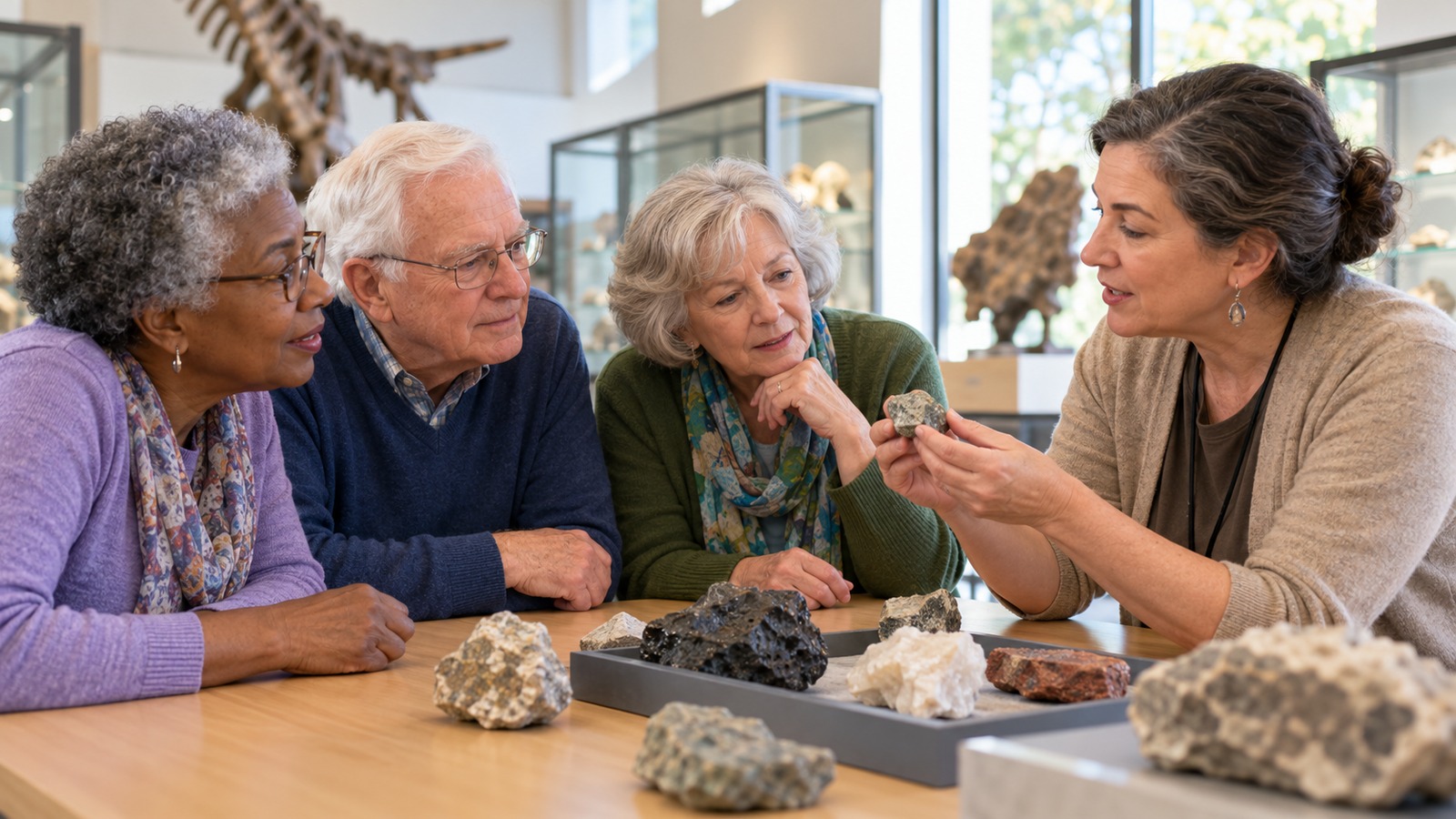
2. Learn about local geology. Choose one familiar rock formation, landscape feature, or geological story and look for an authoritative explanation. A museum, geological survey, or suitable educational program may provide a starting resource. You can learn from images and collections without needing a demanding field trip. If you visit a site, follow access and collection rules. Understanding the ground around a familiar place can change how you notice it during ordinary daily life.
3. Study basic weather observation. Learn what a reputable forecast is describing and how common observations relate to changing conditions. Begin with official educational material rather than trying to make important safety decisions from your own predictions. A simple record can help you compare what you noticed with an explanation. You do not need an elaborate home station to explore the subject. The starting purpose can be understanding the language and processes behind information you already encounter.
Open a Different Route Into Communication
4. Begin a spoken language. Choose a language that connects with a place, person, or subject you care about. In a suitable beginner lesson, practice a short introduction and learn to recognize the response. Saying a few words in a real exchange gives the first session a purpose. Ask how the course combines listening and speaking, then choose a small phrase or question to revisit between sessions instead of starting with an entire language to master.
5. Explore a sign language. Through qualified beginner instruction connected with the language and community you want to learn from, begin with an introduction or greeting taught in that course. Practice the complete exchange in the way the instructor demonstrates. Then learn the context in which it is used. A concrete first skill and an understanding of the community can develop together. Treat the lesson as the beginning of a living language, with more to learn than isolated signs.
Try a New Form of Expression
6. Learn observational drawing. Place a familiar object in front of you and use a beginner lesson to explore its outline. Notice where a curve changes or an edge meets another shape. At the next attempt, turn the object and draw from a different position. The subject gives you a small experiment you can repeat. You may enjoy looking closely as much as the marks on the page, with room to choose more detailed instruction later.
7. Study a musical skill. Choose one musical action to explore with suitable instruction: following a rhythm, singing a short phrase, or learning a small passage on an instrument. Ask a teacher which starting method and equipment fit the interest and your circumstances. The immediate task should let you experience making music, not only researching purchases. Return to the same passage and listen for what becomes more familiar as you practice.
8. Experiment with poetry. Describe something ordinary in a few lines: an empty chair, a changing sky, or the sound of someone arriving. Read the lines aloud and notice where you naturally pause. Then try changing one word and hear how the mood shifts. Reading a few accessible poems can suggest other possibilities. Your first piece can remain a private exploration, with a complete small experience of choosing language rather than a commitment to publish.
9. Understand photographic composition. Choose one subject and make three images using a device you can manage. Move the subject toward an edge, get closer, or change your position. Look at the images together and ask which detail draws your attention first. Use permission where people or private places are involved. The comparison gives a concrete beginning to composition and may reveal a question you want to explore through an introductory lesson or another experiment.
Investigate a Piece of Your Family's History
10. Learn introductory family-history research. Start with one person, place, or event rather than trying to complete a whole family tree. Distinguish remembered stories from records and keep track of where information came from. Use appropriate official or established archival sources and respect restrictions on personal data. A family connection can be meaningful without every claim being certain. Be prepared for missing records, conflicting accounts, and discoveries that other relatives may want to discuss privately rather than publish.
Develop a Useful Digital Skill
11. Learn one device task you want to manage. Choose something concrete, such as organizing your own photographs or using an approved communication feature. Use current official instructions or trusted teaching that matches your device. Keep passwords and private information under your control. Practice the specific task enough to understand its steps. There is no need to master every setting before gaining a useful skill, and it is reasonable to ask how to undo a reversible action.
12. Study online verification habits. Learn how to check an unfamiliar message, locate official contact details, and distinguish an urgent claim from a request you need to verify independently. Use authoritative consumer-security guidance rather than advice from an unsolicited sender. A practical exercise could involve recognizing which details would need checking in a fictional example. The subject is useful without making you responsible for investigating other people’s accounts or confronting someone you suspect of fraud.
13. Explore simple audio recording. Learn how to record and organize a short piece of your own speech or another sound you have permission to capture. Check the device’s privacy, storage, and sharing arrangements before recording personal material. A small test can help you understand sound level and playback without purchasing equipment immediately. Recording someone else requires their informed agreement. A useful first result is a file you can find and play again, rather than a public podcast.
Notice Living Things More Closely
14. Study one plant you already encounter. Learn about its characteristics through a reputable horticultural resource and compare the explanation with what you observe. Avoid tasting or using an unfamiliar plant on the basis of a casual identification. Your interest can remain observational rather than becoming a large gardening project. Choose a subject accessible from home or a suitable public setting. One well-understood plant can provide a clearer beginning than attempting to identify an entire landscape.
15. Begin bird identification. Use an appropriate field guide, educational recording, or reputable local program to explore a few familiar birds. Look for characteristics and context rather than relying on one uncertain impression. Observe without disturbing wildlife or entering restricted areas. You can start from a comfortable window or accessible place. The first goal may be recognizing a small difference you previously missed, with room to revise an identification when better information becomes available.
Learn How Useful Objects and Food Are Made
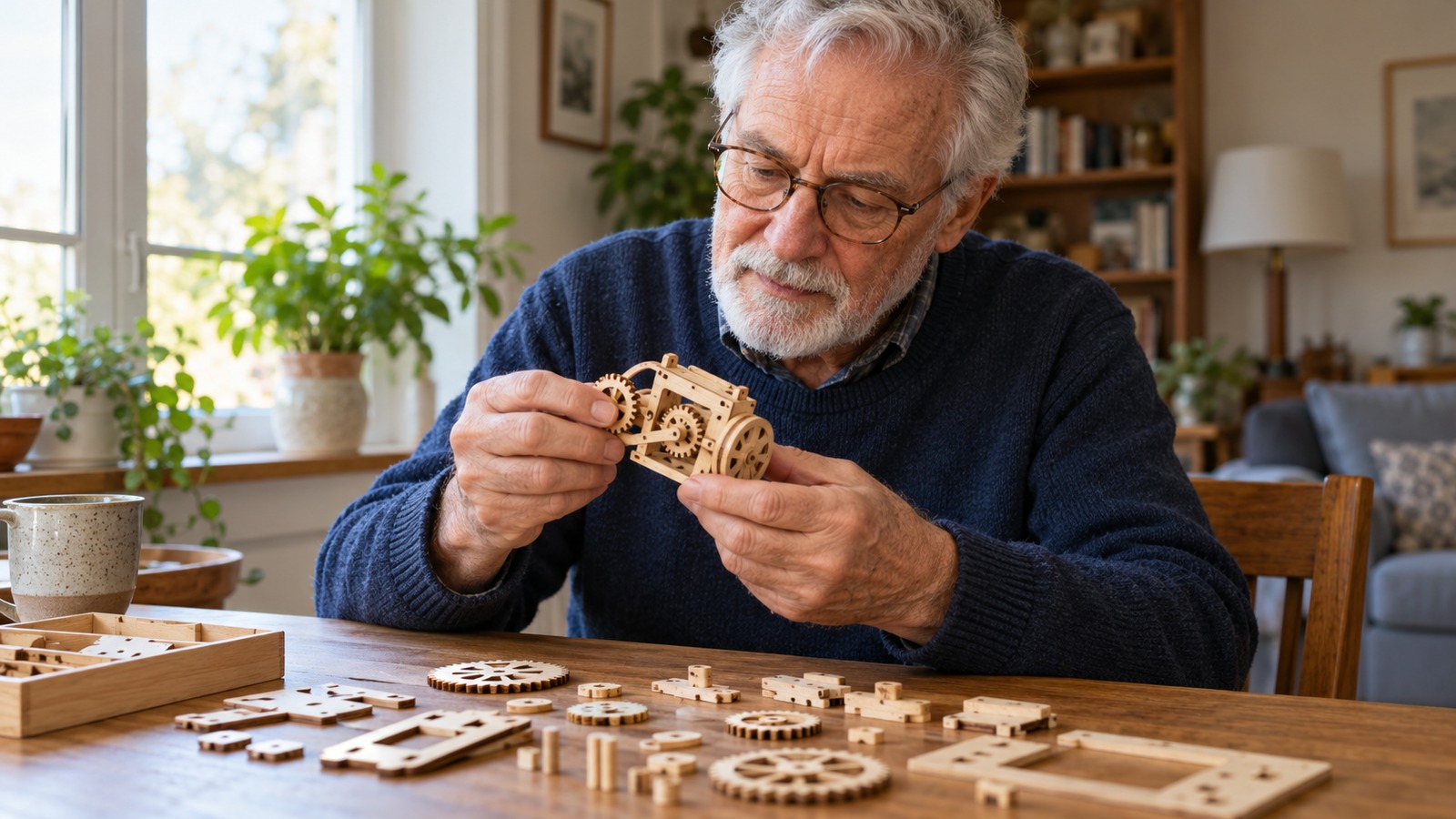
16. Explore a basic woodworking technique. Seek suitable instruction about tools, materials, protective requirements, and the actual process before attempting unfamiliar work. A supervised introductory session can help you decide whether the setup and physical demands fit. Begin with an appropriate small project rather than copying an advanced demonstration. Interest in the craft does not require improvising with equipment you do not understand. Ask which tasks you can practice safely within the instructed arrangement.
17. Learn a simple sewing method. Choose a small repair or practice sample and ask what tools and prior knowledge it requires. Work from clear instructions and a setup you can manage comfortably. A decorative exercise and a structural repair may need different techniques, so understand the intended use. You can explore hand or machine methods through appropriate guidance. A first sample can teach more than a promised gift with an unrealistic deadline.
18. Study a cooking technique. Select a reliable tested instructional source and choose an appropriate recipe that uses the method. Follow current food-safety guidance and consider any relevant dietary advice from your own care professionals. The learning purpose might be understanding preparation, timing, or texture rather than producing an elaborate meal. Keep the task manageable and the equipment suitable. A familiar kitchen activity can become a new subject when you begin asking how and why the process works.
19. Investigate bread making. Learn the purpose of the ingredients and the stages in a reliable recipe before beginning. Different methods have different timing and equipment requirements, so choose a version that fits your circumstances. Follow handling and baking instructions rather than assuming every mixture behaves the same way. A small first attempt can help you judge whether you enjoy the waiting and repeated observation as well as the finished result. You do not need specialist equipment to decide whether the subject interests you.
Understand Places, Institutions, and Shared History
20. Learn how a local public process works. Choose an ordinary question about a council, public service, or community meeting and consult the official local source. Learn the roles, published procedures, and ways the public can participate. Rules vary by jurisdiction and can change, so check the relevant current information. Understanding the process does not require supporting a particular political position. A useful first goal is knowing where an actual question belongs and how to find an authoritative answer.
21. Study one museum object or historical theme. Begin with the institution’s interpretation and explore the sources behind it when available. A guided session or reputable publication can give context beyond the display label. Notice what is known, what is debated, and whose perspectives are included. You can pursue a small inquiry without becoming an expert on an entire period. A single object may open a wider subject while giving your first reading a concrete focus.
22. Learn to read a different kind of map. A topographic, historical, transit, or other map can reveal how information is selected and represented. Use a suitable official or reputable educational resource to understand its symbols and limitations. Do not use a beginner exercise as the sole basis for an unfamiliar journey or safety-critical decision. A modest first project might compare two maps of a familiar place and describe what each helps you notice.
Practice Thinking Through Stories and Games
23. Learn oral storytelling. Choose a brief event and explore how setting, sequence, and selected details help a listener follow it. Practice with someone who welcomes the exchange or record yourself privately. Respect other people’s privacy when the story includes them. You do not need to exaggerate every detail to make an ordinary event interesting. A useful first experiment is telling the same short story more clearly while leaving room for the listener’s response.
24. Explore a strategy game. Choose a game whose rules and format appeal to you and learn through suitable instruction or a patient partner. Begin with the basic structure before trying to memorize advanced techniques. Check accessibility and any online account or payment requirements. The game can be enjoyable without becoming a competition you must win. A first goal might be understanding why a particular choice changes the position, then testing that idea in another game.
Learn How to Follow a Question Reliably
25. Practice evaluating sources. Choose a modest claim about a subject that interests you and identify who produced it, when, and on what basis. Look for the original material where appropriate and distinguish evidence from interpretation. Topics involving health, law, finance, or safety require particular care and qualified guidance for personal decisions. This learning skill can support every other interest on the list. Begin with one question, use reliable resources, and keep enough openness to revise your understanding as you learn more.