Choose a Creative Hobby by the Experience You Want
You do not need a hidden artistic talent waiting to be discovered before trying a creative hobby. You need a process that interests you enough to begin and a way of practicing that fits your life. Some people want the feel of clay or fabric in their hands. Others enjoy working with words, listening closely to music, or looking at familiar surroundings through a camera. The best choice is rarely determined by age alone. Time, space, access, cost, and personal curiosity matter more than a label saying an activity is suitable for seniors. Start with an experience you would like to have, try a modest version, and let enjoyment guide the next step. A hobby can remain simple, change direction, or become a deeper study as your interest develops.
A: No. Begin by exploring a process that interests you and learning what it involves.
A: Start with the essentials for a modest trial and learn what you actually use.
A: Yes. You can choose whether, when, and with whom to share it.
A: Some activities can begin simply at home; others benefit from equipment or instruction in a suitable setting.
A: Stop and reassess the tools, task, or medium rather than treating discomfort as necessary.
A: If it is suitable, it may let you explore framing and subjects before considering new equipment.
A: Ask about pace, assumed experience, access, materials, and opportunities for clarification.
A: No. Exploration, expression, and enjoyable practice can be worthwhile purposes.
A: Yes. Your experience can guide a different choice without making the trial wasted effort.
A: Explain whether you want encouragement, a response to an idea, or guidance on a particular technique.
Decide Whether You Want to Make, Perform, or Explore
Creative hobbies offer different kinds of satisfaction. Making a useful object can appeal to someone who enjoys a tangible result, while singing may be rewarding through the experience itself. Photography can begin with noticing light and framing rather than producing something for display. Writing may help you explore an idea privately. Consider which process attracts you before choosing tools or enrolling in a long course.
Think about the setting you prefer. You might enjoy quiet individual practice, a small class with guidance, or a group working toward a shared performance. These arrangements make different demands on time and attention. A hobby does not have to become social to count as worthwhile, and group participation does not require giving up private practice. Choose the combination that makes you more likely to return willingly.
Try Drawing as a Way to Notice More
Drawing can begin with a pencil, paper, and one ordinary object. Look at the edges, shapes, and spaces you see rather than trying to produce an impressive picture immediately. A beginner class may offer useful instruction, but a small home experiment can help you decide whether you enjoy the process. Choose a subject that interests you and allow the first attempts to remain exploratory.
If detailed work feels frustrating, try a larger surface, a tool that feels comfortable to hold, or a looser approach. These are preferences to test rather than promises that one adaptation will suit everyone. Lighting and a workable position matter. When physical difficulties affect participation, ask an appropriate professional or instructor about suitable options rather than assuming that discomfort must be endured for the sake of progress.
Avoid using a photograph of someone else’s finished drawing as a test you must pass. A class demonstration usually reflects practice that you have not yet had. Notice whether you enjoy looking closely and experimenting with marks. Improvement can be satisfying, but it need not be the condition for continuing. You are allowed to keep drawings private and value what you noticed while making them.
Explore Color Without Committing to a Full Studio
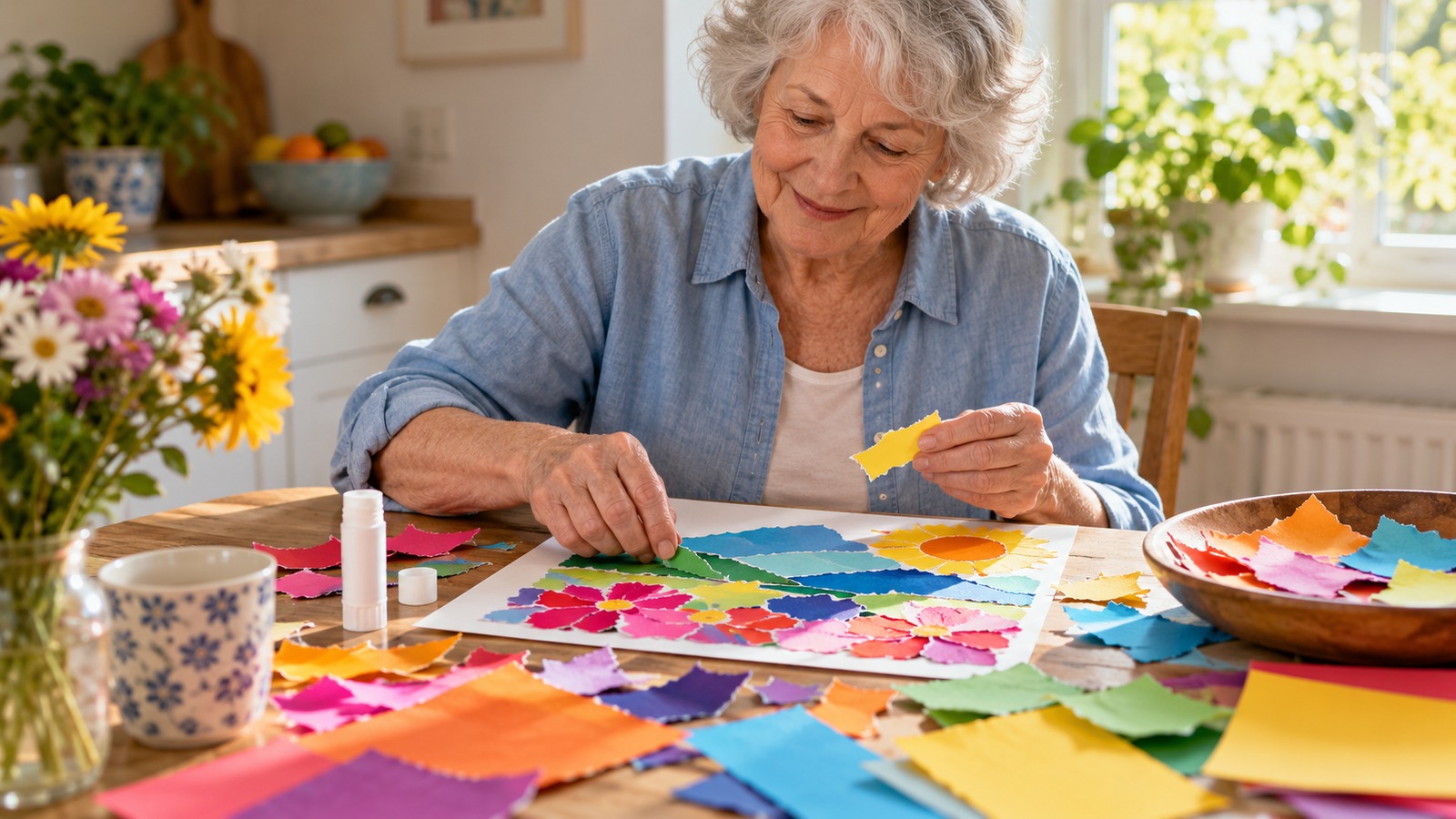
Try a small color sampler before buying a large set. Draw six boxes on paper, choose two or three colors, and see how different combinations change the mood. With colored pencils, compare light and heavier layers; with watercolor, use materials intended for that medium and follow the supplied instructions. Then choose one combination for a simple leaf, window, or landscape. You have made a useful first study and learned something about the process you enjoy. Keeping the sampler beside your materials gives the next session an easy starting point and a small record of choices you can develop.
Consider Music Through Playing, Singing, or Composing
Music offers several possible starting points. You may want to learn an instrument, sing in a suitable group, or experiment with a simple composition. Ask a teacher about beginner expectations and the instrument’s physical and practical requirements. Borrowing or renting through a reputable source, when available, may help you explore before purchasing. Confirm the actual terms and total costs rather than assuming an introductory offer includes everything.
Choose practice that fits your household and attention. Noise, storage, transport, and lesson schedules can affect the choice as much as musical taste. Ask what a comfortable beginning might look like and avoid practicing through pain. A teacher can help with technique, while persistent physical symptoms deserve appropriate assessment. Enjoying music does not require preparing for public performance; a private repertoire or occasional shared song can be a satisfying goal.
Use Words to Explore Memory or Imagination
Begin with a scene that contains something you can notice: a shop from childhood, the sound outside a kitchen window, or an imagined visitor at a station. Write what is there before explaining what it means. A description of a chipped cup or a familiar smell can lead to a memory more naturally than announcing that you intend to write your life story. One scene is a complete starting task.
For a second session, return to the scene and add an action. Who enters, what do they want, or what changes while the narrator watches? If you prefer nonfiction, add the question you would ask someone else who remembers the place. Handwriting, typing, or dictation can each serve the experiment. Choose the method that lets you stay with the subject, and handle personal information thoughtfully if you use a digital service.
When you want feedback, ask for something specific: ‘Which detail helped you picture the place?’ or ‘Where did you become curious about what happens next?’ A writing group can be useful when its format matches that purpose. You can also keep the piece private and write another scene. The point of the first experiment is to discover whether shaping words holds your attention, with plenty of room to choose a larger project later.
Let Photography Begin With Looking
Photography can be explored with equipment you already have if it is suitable for the task. Choose a subject such as a window view, garden detail, or familiar object, and see how framing changes the result. Ask permission before photographing people or sharing their images. You do not need an expensive camera to discover whether you enjoy visual observation. If an interest deepens, learn which features would support the kind of photographs you actually want to make before considering a purchase. Keep private locations and identifying details in mind when posting images publicly.
Compare the Feel of Textile and Fiber Work
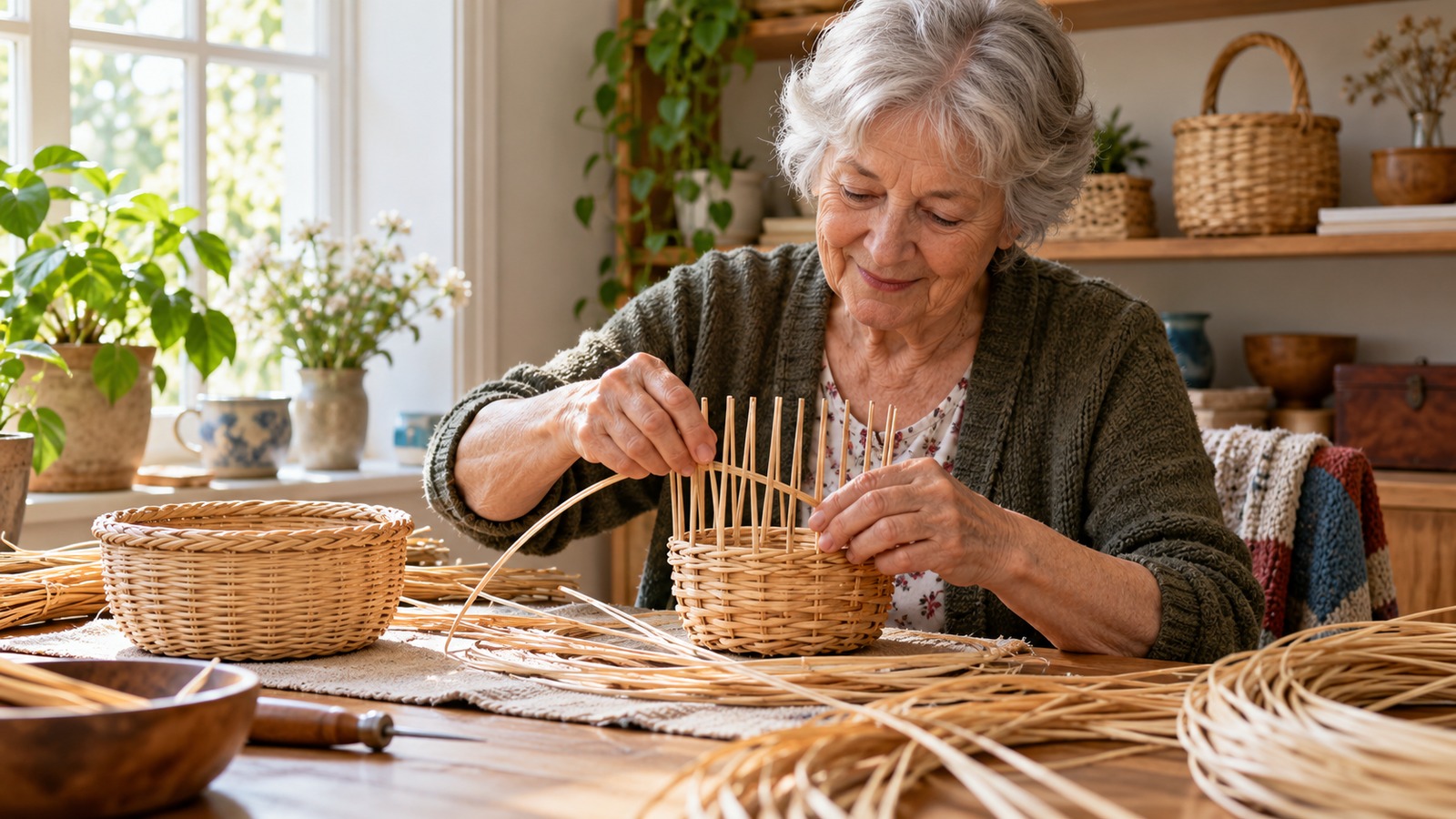
Try a small woven paper square to explore the rhythm of crossing strips before deciding on a textile technique. Or, with beginner instruction, make a short knitted or crocheted sample and notice the repeated movements. Sewing can begin with two fabric pieces joined along a straight line. Each experiment reveals a different pleasure: arranging color, repeating a pattern, or seeing separate pieces become a useful shape.
Choose the next project from what you enjoyed about the sample. Someone who likes arranging strips might explore a small woven mat; someone who enjoys repeated stitches could choose a simple square for a later patchwork piece. Use suitable tools and instruction, and change the activity if it is uncomfortable. A small sample gives you a concrete basis for choosing a course or materials instead of buying supplies for a large gift before learning the technique.
Try Clay or Other Dimensional Materials With Guidance
Working in three dimensions can appeal to someone who enjoys shape and texture more than a flat image. A supervised clay introduction can explain the material, workspace rules, cleanup, and finishing process. Different products have different requirements, so check the instructions and do not assume all clay can be handled or finished in the same way. A class may provide equipment that would be impractical at home.
Ask about the complete project process before enrolling. You may need a later visit to collect work, particular clothing, or assistance with a task. Confirm access and the pace of instruction as well as the advertised project. A useful class gives you an opportunity to understand the material rather than merely watch the instructor make something difficult. You can enjoy shaping a simple object without needing to move quickly into advanced techniques.
Consider whether you want a hobby that depends on shared facilities. A studio can provide community and equipment, but its hours, fees, and travel requirements become part of the arrangement. If those details do not fit, another medium may let you explore similar interests at home. The goal is to find a workable creative process, not to force your life around the first activity that catches your attention.
Match the Hobby to Your Available Space and Budget
Look beyond the price of the starter materials. Lessons, replacements, storage, transport, finishing services, or software can add costs. Ask what is essential at the beginning and what can wait. A small, deliberate purchase is easier to assess than an expensive collection chosen before you know your preferences. Borrowing or using a shared facility may be an option, but confirm availability and conditions.
Plan where materials will live between sessions. A tray, shelf, or small protected area may make setup manageable, depending on the hobby. Keep tools and supplies stored according to their instructions and away from anyone who could be harmed by them. If you must clear a shared table after each session, choose a process whose cleanup fits your energy. A convenient arrangement can support more creativity than a larger setup that is rarely used.
Choose Instruction That Leaves Room to Be a Beginner
Before paying for a course, ask what experience is expected, what materials are included, and whether the setting can meet your access needs. Look for instruction that explains steps clearly and allows questions without embarrassment. A course labeled beginner may still move at a pace you find uncomfortable. Discuss the format directly and ask about an introductory option when available. The right teacher does not need to promise rapid mastery. They should help you understand how to practice and make informed choices about your work.
Build Practice Around Interest Rather Than Obligation
Begin with a manageable opportunity to return to the hobby. You might leave one small project ready or choose a convenient time when interruptions are less likely. There is no universal schedule that makes a creative activity worthwhile. Notice what allows you to begin without turning practice into another source of guilt. A short session that you enjoy can be more sustainable than an ambitious plan you repeatedly avoid.
Change the project when curiosity changes. You can draw for a while, explore music, or return to writing later without needing to defend the sequence. Some people enjoy developing one skill deeply; others prefer variety. Both approaches can make room for creativity. Keep enough continuity to learn what interests you, but avoid treating a hobby choice as a permanent identity you are required to maintain.
Decide What You Want to Share and Keep
At the end of an experiment, put the result somewhere you can look at it again. A color sampler, a paragraph, or a photograph can help you see which part you want to explore next. You might enjoy a particular combination even if another part did not work. Keeping the attempt makes those discoveries available instead of requiring every session to start from an empty page.
Choose an audience only when sharing would add something you want. An instructor might help with a drawing problem; a friend might enjoy hearing a remembered scene; a small group might give you a reason to practice a song. Tell them what response would be useful. Displaying, giving away, and publishing work are options, and private enjoyment is another complete way to keep a creative hobby in your life.
Leave one clear invitation for the next session. You might draw the same object from another angle, add a scene to your story, or play a short musical passage again. Gather only the materials that step needs.
As you return, notice which choices keep your interest. The hobby can develop through a particular subject, a new technique, or the pleasure of using familiar materials. You will have something you enjoy doing, a record of what you explored, and a next experiment shaped by your own curiosity.