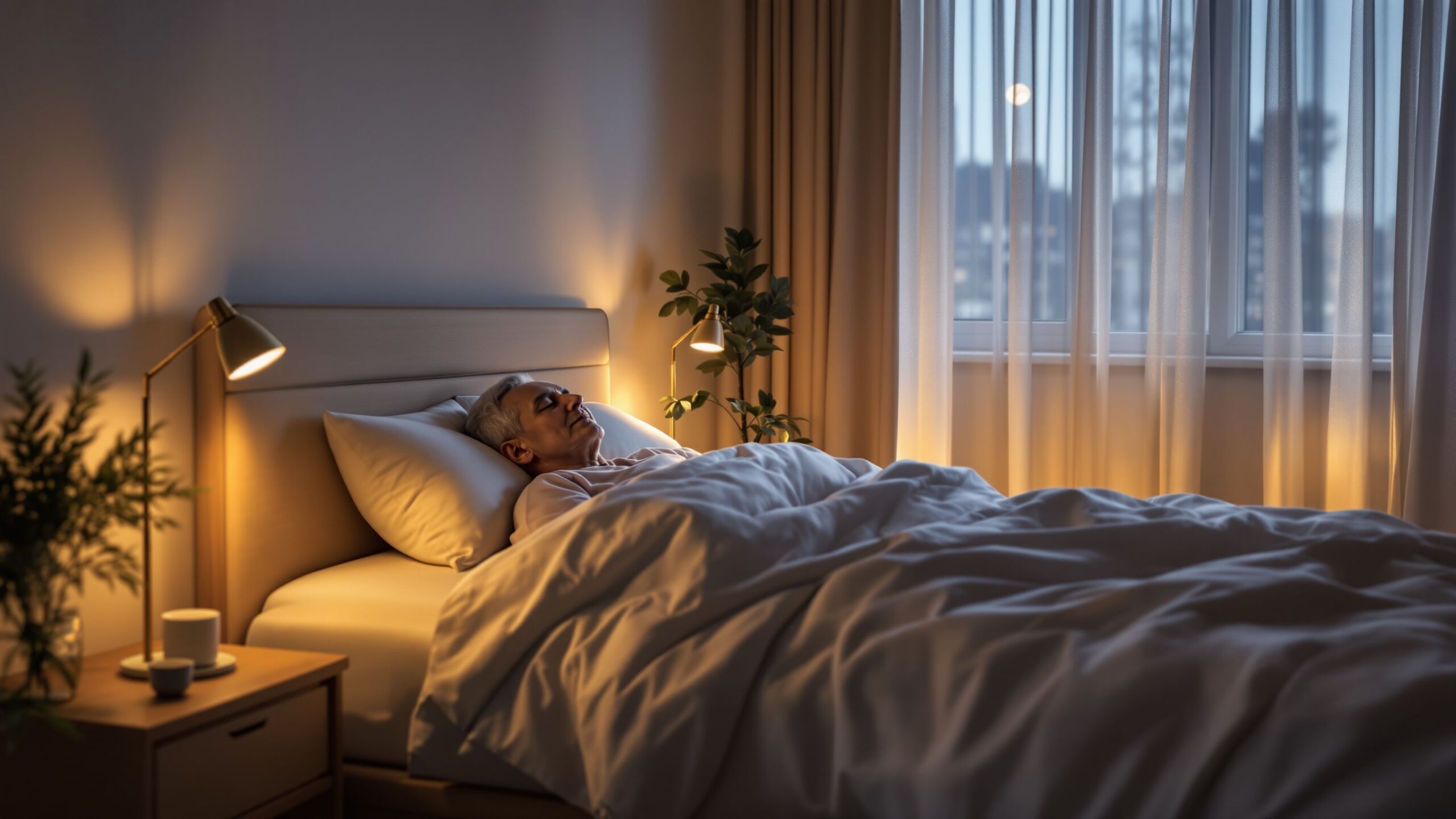
Sleep and energy are deeply connected parts of overall wellness, especially for older adults. Many seniors notice changes in their energy levels as they age, often feeling more tired during the day or struggling to maintain consistent focus and motivation. At the same time, sleep can become lighter, shorter, or more interrupted, creating a cycle where poor rest contributes to low energy and low energy makes it harder to stay active and healthy.
The relationship between sleep and energy affects nearly every part of daily life. High-quality sleep supports physical recovery, mental sharpness, emotional balance, and long-term health. Healthy energy levels help seniors stay active, socially engaged, independent, and emotionally resilient. When either sleep or energy suffers, overall wellness can decline quickly.
Fortunately, science-backed lifestyle habits can help improve both sleep quality and daytime energy naturally. Small daily changes often produce meaningful improvements over time. Healthy sleep routines, balanced nutrition, physical activity, stress management, and proper circadian rhythm support can all help seniors feel more rested, alert, and energized throughout the day.
A: Poor sleep quality, stress, dehydration, or inconsistent schedules may contribute.
A: Yes, regular movement can improve stamina, mood, and sleep quality.
A: Short naps may help, but long naps can interfere with nighttime sleep.
A: Late caffeine intake may delay sleep or reduce sleep depth in some people.
A: Keeping a consistent sleep and wake schedule is one of the most effective habits.
A: It helps regulate the body clock and improve daytime alertness.
A: Yes, chronic stress can drain both mental and physical energy.
A: Many people sleep best in a cool room around the mid-60s°F.
A: Light snacks may be fine, but heavy meals close to bedtime can disrupt sleep.
A: Consistent sleep, hydration, movement, and morning light exposure are strong foundations.
Why Sleep Matters More With Age
As people age, sleep becomes increasingly important for maintaining physical and mental health. During sleep, the body repairs tissues, restores energy, balances hormones, and supports brain function. Deep sleep stages help strengthen the immune system and support muscle recovery, while REM sleep plays a major role in memory, learning, and emotional regulation.
Older adults often experience natural changes in sleep patterns. Deep sleep may decrease, nighttime waking may become more frequent, and the body’s internal clock may shift earlier. Many seniors also face additional sleep challenges related to medications, stress, chronic pain, or medical conditions.
Even though these changes are common, healthy sleep remains essential for maintaining independence and quality of life. Seniors who consistently get restorative sleep often experience better concentration, stronger memory, improved mood, healthier blood pressure, and greater physical energy during the day.
Understanding the Link Between Sleep and Energy
Sleep and energy work together as part of the body’s natural recovery system. When sleep quality declines, the body does not fully recharge overnight. This often leads to fatigue, brain fog, slower reaction times, irritability, and reduced motivation during the day.
Low energy can also affect sleep quality. Seniors who feel exhausted may become less physically active, spend more time indoors, or nap excessively during the day, which can weaken healthy sleep rhythms. This creates a cycle where poor sleep reduces energy and low energy further disrupts sleep.
Breaking this cycle often involves improving both daytime habits and nighttime routines simultaneously. Building healthier rhythms throughout the day allows the body to rest more effectively at night and feel more energized the following morning.
The Importance of Consistent Sleep Schedules
One of the most powerful ways to improve sleep naturally is by maintaining a consistent sleep routine. Going to bed and waking up at similar times each day helps regulate the body’s circadian rhythm, which controls sleep and energy cycles.
Irregular schedules can confuse the brain’s internal clock and make it harder to feel sleepy at night or alert during the day. Consistency helps the body predict when it is time to rest and when it is time to be active.
Many seniors benefit from establishing calming evening routines that signal bedtime is approaching. Likewise, maintaining a regular morning routine can strengthen healthy wakefulness and improve daytime energy levels.
Even small schedule adjustments can improve sleep quality significantly when practiced consistently over time.
How Morning Sunlight Boosts Sleep and Energy
Natural sunlight plays a major role in regulating the body’s internal clock. Morning light exposure tells the brain that it is daytime, which increases alertness and helps regulate melatonin production later in the evening.
Seniors who spend most of their time indoors may not receive enough natural light exposure, especially during winter months. This can weaken circadian rhythms and contribute to daytime fatigue and nighttime sleep difficulties.
Spending time outside in the morning or sitting near bright natural light can help strengthen healthy sleep-wake cycles. Morning sunlight exposure often improves alertness during the day while supporting deeper sleep at night.
Natural light also supports mood, emotional wellness, and vitamin D production, which are all connected to healthy energy levels.
Creating a Bedroom That Supports Restful Sleep
The sleep environment strongly influences sleep quality. A calm, quiet, comfortable bedroom helps the body relax more deeply and reduces nighttime disruptions.
Cooler room temperatures generally support better sleep because the body naturally lowers its core temperature during rest. Comfortable bedding, supportive mattresses, and soft pillows can also help reduce discomfort that may interrupt sleep.
Light exposure at night is another important factor. Bright overhead lights, televisions, and electronic screens can suppress melatonin production and delay sleepiness. Using dim lighting in the evening helps the brain prepare naturally for sleep.
Noise can also interfere with restorative rest, especially for light sleepers. Fans, white noise machines, or calming ambient sounds may help create a more peaceful sleeping environment.
The Role of Nutrition in Daily Energy
Healthy eating habits provide the body with the fuel needed to maintain steady energy levels throughout the day. Seniors who eat balanced meals often experience more stable energy, improved concentration, and better sleep quality.
Skipping meals or eating highly processed foods may contribute to blood sugar fluctuations that increase fatigue. Balanced meals that include lean proteins, healthy fats, fruits, vegetables, and whole grains help provide more consistent energy.
Hydration is equally important. Even mild dehydration can contribute to headaches, fatigue, dizziness, and reduced focus. Drinking water consistently throughout the day supports energy production and overall wellness.
Caffeine should also be managed carefully. While moderate caffeine intake may improve alertness, excessive caffeine or late-day consumption can interfere with nighttime sleep and contribute to restlessness.
Why Physical Activity Increases Energy
Exercise may seem tiring at first, but regular movement actually increases long-term energy levels. Physical activity improves circulation, supports heart health, strengthens muscles, and helps regulate sleep cycles.
Seniors who stay physically active often report feeling more energized, emotionally balanced, and mentally sharp. Exercise also helps reduce stress hormones that may interfere with sleep quality.
Activities such as walking, stretching, swimming, yoga, gardening, or light strength training can all support healthy energy and sleep. Even gentle movement helps the body maintain stronger daytime alertness and healthier nighttime fatigue.
Exercise also supports balance, mobility, and independence, making it one of the most valuable lifestyle habits for healthy aging overall.
Managing Stress for Better Sleep and Energy
Stress and anxiety can quickly drain energy levels while also disrupting sleep. Many seniors experience stress related to health concerns, caregiving responsibilities, finances, grief, or life transitions.
When the body remains in a constant state of stress, cortisol levels stay elevated, making it harder to relax and sleep deeply. This often leads to emotional exhaustion and persistent fatigue.
Relaxation practices can help calm the nervous system naturally. Deep breathing exercises, meditation, prayer, journaling, gentle stretching, or quiet reading may help reduce mental tension before bedtime.
Finding healthy ways to manage stress during the day often improves both nighttime sleep and daytime energy.
The Benefits of Staying Mentally and Socially Active
Mental stimulation and social engagement are strongly connected to healthy energy levels and emotional wellness. Seniors who stay socially connected and mentally engaged often feel more motivated and emotionally fulfilled.
Activities such as puzzles, hobbies, volunteering, reading, learning new skills, or spending time with family and friends help keep the brain active and engaged. Meaningful social interaction can reduce feelings of loneliness and emotional fatigue that may contribute to low energy.
Purposeful daily activities also help strengthen distinctions between daytime alertness and nighttime rest, which supports healthier sleep patterns.
How Naps Affect Sleep and Energy
Short daytime naps can help seniors recharge when used carefully. However, long or late-afternoon naps may interfere with nighttime sleep quality.
Brief naps earlier in the day may improve mood, concentration, and alertness without significantly disrupting nighttime rest. Excessive daytime sleeping, however, can reduce natural sleep pressure and make it harder to fall asleep at night.
Finding the right balance is important. Healthy daytime routines combined with good nighttime sleep often reduce the need for frequent naps.
Understanding Common Sleep Challenges in Seniors
Certain sleep problems become more common with age. Conditions such as insomnia, sleep apnea, restless leg syndrome, chronic pain, and nighttime bathroom trips can all interfere with restorative sleep.
Sleep apnea is particularly important because it causes repeated breathing interruptions during sleep. Symptoms may include loud snoring, excessive daytime fatigue, headaches, or memory difficulties.
Persistent sleep problems should not be ignored. Seniors experiencing ongoing fatigue or severe sleep disturbances may benefit from discussing symptoms with a healthcare professional.
Addressing underlying sleep disorders can dramatically improve both sleep quality and daytime energy.
Natural Sleep Support Strategies
Many seniors explore natural methods for supporting better sleep. Melatonin supplements may help regulate circadian rhythms, while magnesium may support muscle relaxation and nervous system health.
Herbal teas and calming bedtime rituals may also help create feelings of relaxation before sleep. Chamomile, lavender, and passionflower are commonly associated with calming effects.
It is important for seniors to consult healthcare providers before starting new supplements, especially when taking medications or managing chronic health conditions.
Natural sleep strategies tend to work best when combined with healthy lifestyle habits rather than used as quick fixes.
Building Healthy Daily Routines
Healthy routines create structure that supports both sleep and energy. Consistent wake times, balanced meals, regular movement, social interaction, and calming evening habits help reinforce healthy biological rhythms.
Simple routines can have powerful long-term effects. Many seniors feel more energized when they follow predictable daily patterns that support both physical and emotional wellness.
Healthy routines also reduce decision fatigue and help the body transition more naturally between activity and rest throughout the day.
Conclusion
Better sleep and healthy energy levels are essential for maintaining wellness, independence, and quality of life during aging. Although sleep patterns and energy levels naturally change over time, seniors can still feel rested, focused, and energized through science-backed lifestyle habits and healthy routines.
Improving sleep and energy naturally often involves small, sustainable changes practiced consistently over time. Healthy sleep schedules, morning sunlight exposure, balanced nutrition, regular movement, stress management, social engagement, and calming bedtime routines all work together to support long-term wellness.
When the body receives the rest it truly needs, daily life often becomes more enjoyable, productive, and emotionally balanced. High-quality sleep and healthy energy are not simply luxuries for older adults. They are powerful foundations for living a healthier, happier, and more vibrant life.