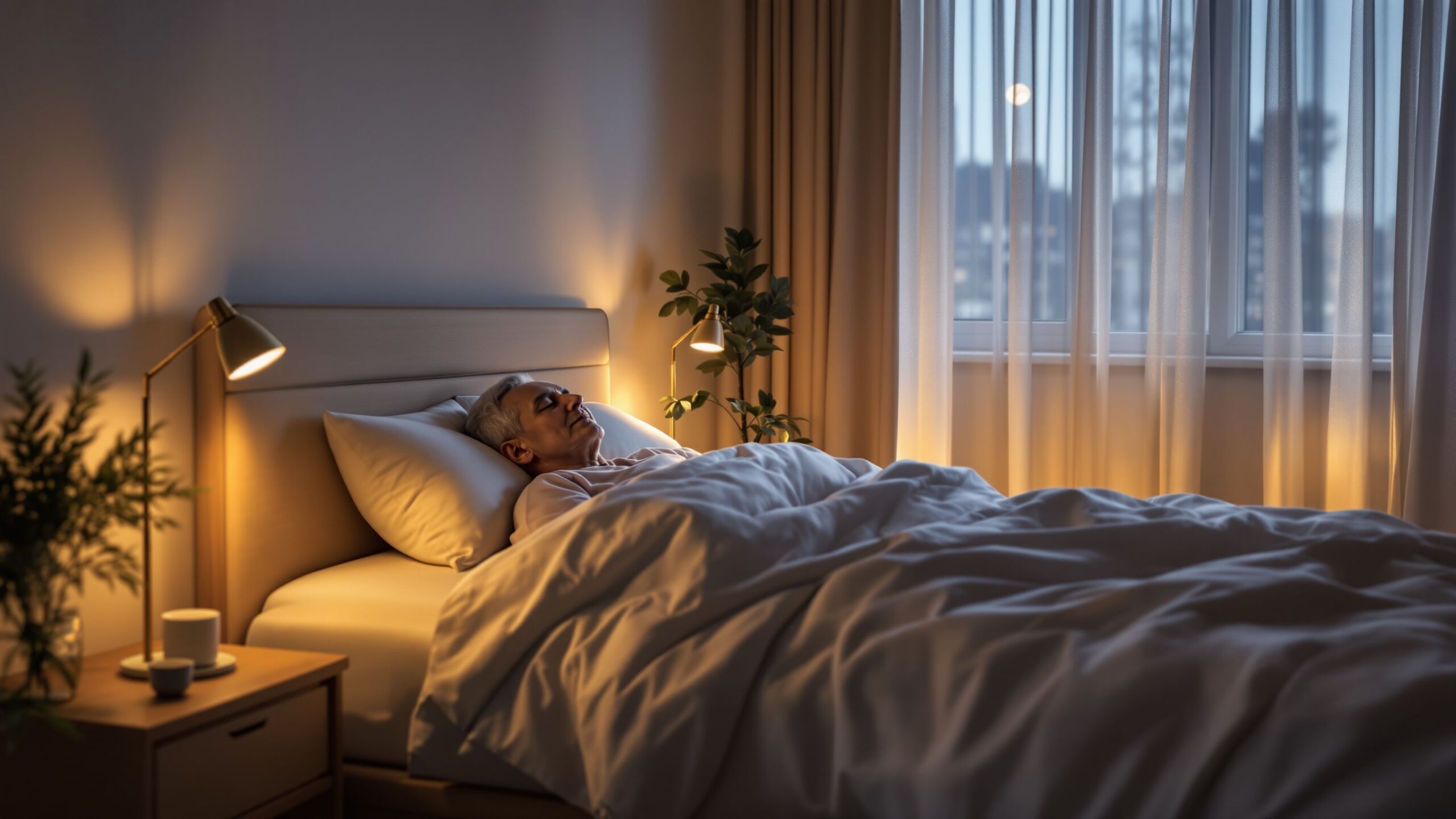
Sleep becomes increasingly important as people grow older, yet it often becomes more difficult to achieve. Many seniors experience lighter sleep, frequent waking, difficulty falling asleep, or early morning awakenings that leave them feeling tired during the day. Changes in sleep patterns are common with aging, but poor sleep should never simply be accepted as an unavoidable part of getting older. Healthy, restorative sleep remains one of the most important foundations of physical wellness, emotional health, cognitive function, and quality of life for older adults. Research continues to show that quality sleep supports memory, heart health, immune function, mood regulation, energy levels, and overall longevity. Seniors who sleep well often experience better balance, stronger concentration, healthier blood pressure, improved emotional resilience, and greater independence in daily life. On the other hand, chronic sleep problems can contribute to fatigue, confusion, irritability, falls, weakened immunity, and increased health risks. The encouraging news is that many sleep issues can improve naturally through healthy habits, environmental changes, and science-backed lifestyle strategies. Improving sleep quality does not always require medication. In fact, many natural approaches help the body return to healthier sleep rhythms safely and effectively.
A: Many still need 7–8 hours, but sleep may become lighter or more fragmented.
A: Circadian rhythm changes can shift sleep and wake times earlier.
A: Yes, but short naps earlier in the day are usually best.
A: Yes, bright evening light can interfere with natural sleep signals.
A: Many people sleep better in a cool room, often around the mid-60s°F.
A: Gentle daily movement can support better sleep and reduce restlessness.
A: Comfortable positioning, supportive bedding, and medical guidance may help.
A: Not always, but limiting it after morning can reduce sleep disruption.
A: If insomnia, loud snoring, gasping, or daytime sleepiness continues, talk to a clinician.
A: Keep a consistent wake time and get morning light most days.
Why Sleep Changes With Age
Sleep patterns naturally shift as the body ages. Older adults tend to spend less time in deep sleep and may wake more easily during the night. The body’s internal clock, known as the circadian rhythm, can also shift earlier with age, causing seniors to feel sleepy sooner in the evening and wake earlier in the morning.
Hormonal changes also influence sleep quality. Melatonin production often decreases with age, making it harder for the body to recognize when it is time to sleep. At the same time, medical conditions, medications, stress, reduced physical activity, and lifestyle habits may further interfere with restful sleep.
Although these changes are common, seniors can still enjoy excellent sleep quality by supporting the body’s natural rhythms and creating healthy sleep routines. Understanding how aging affects sleep is the first step toward improving it naturally.
Why Good Sleep Is Essential for Seniors
Sleep affects nearly every system in the body. During deep sleep, the body repairs tissues, strengthens the immune system, regulates hormones, and restores energy levels. The brain also uses sleep to process memories, organize information, and support emotional health.
For seniors, healthy sleep is especially important because it helps maintain physical strength, mental clarity, and emotional balance. Studies have shown that poor sleep may increase the risk of memory problems, heart disease, depression, diabetes, and weakened immune function. Chronic sleep deprivation can also contribute to daytime drowsiness, increasing the risk of falls and accidents.
Many seniors notice that poor sleep leaves them feeling mentally foggy, emotionally drained, or physically exhausted. Restorative sleep helps improve concentration, patience, mood, and overall daily functioning.
The Importance of a Consistent Sleep Schedule
One of the most effective ways to improve sleep naturally is by maintaining a consistent sleep schedule. Going to bed and waking up at the same times each day helps regulate the body’s internal clock and strengthens healthy sleep rhythms.
Irregular sleep schedules can confuse the brain and make it harder to fall asleep naturally. Seniors often benefit from creating predictable daily routines that signal the body when it is time to be alert and when it is time to rest.
Consistency also helps improve sleep efficiency, meaning the body spends more time in restorative sleep stages rather than tossing and turning. Even on weekends or quiet days at home, maintaining regular sleep and wake times can significantly improve overall sleep quality.
How Sunlight Supports Better Sleep
Natural sunlight plays a major role in regulating circadian rhythms. Morning light exposure helps the brain understand that it is daytime, which supports healthier melatonin production later in the evening.
Many seniors spend more time indoors, especially during colder months or retirement years. Reduced sunlight exposure can weaken circadian rhythms and contribute to sleep problems. Spending time outdoors in the morning or sitting near bright natural light during the day can help restore healthier sleep patterns.
Even short walks outside or relaxing on a porch in the sunlight may improve sleep quality over time. Exposure to daylight also supports mood, energy levels, and vitamin D production, which are all connected to overall wellness.
Creating a Calm and Comfortable Sleep Environment
The bedroom environment strongly influences sleep quality. Seniors often sleep better when the room feels calm, quiet, dark, and comfortable.
Cooler temperatures generally support deeper sleep because the body naturally lowers its core temperature during rest. Bedrooms that are too warm may increase restlessness and discomfort. Soft bedding, supportive mattresses, and comfortable pillows can also make a major difference in sleep comfort.
Light exposure at night is another important factor. Bright lighting, televisions, and electronic screens may interfere with melatonin production and delay sleepiness. Using dim lighting in the evening and reducing screen exposure before bed can help the brain prepare for sleep naturally.
Noise can also interrupt sleep cycles, especially for light sleepers. White noise machines, fans, or calming ambient sounds may help create a more peaceful sleeping environment.
Why Evening Routines Matter
The body responds well to calming bedtime routines. Simple evening habits can help signal to the brain that it is time to relax and prepare for sleep.
Many seniors benefit from creating a consistent wind-down routine that includes relaxing activities such as reading, listening to calming music, stretching gently, praying, meditating, or taking a warm bath. These habits help reduce stress hormones and encourage the nervous system to shift into a restful state.
Avoiding emotionally stressful conversations, stimulating television shows, or excessive screen time before bed may also help improve sleep quality. The goal is to create a peaceful transition between daytime activity and nighttime rest.
The Connection Between Stress and Sleep
Stress and anxiety are common causes of sleep difficulties at every age. Seniors may experience stress related to health concerns, caregiving responsibilities, financial worries, grief, or life transitions. Even mild anxiety can keep the brain active at night and make it difficult to relax.
When stress levels rise, the body releases cortisol and adrenaline, hormones that increase alertness and interfere with sleep. Many people notice racing thoughts or nighttime worrying that prevents them from falling asleep easily.
Relaxation techniques can help calm the nervous system naturally. Deep breathing exercises, mindfulness meditation, journaling, and gentle stretching may help reduce mental tension before bedtime. Many seniors also find comfort in prayer, calming routines, or quiet reflection before sleep.
Reducing stress during the day often improves sleep at night. Emotional wellness and sleep health are closely connected.
How Physical Activity Improves Sleep
Regular physical activity is one of the most effective natural sleep aids available. Exercise helps regulate stress hormones, improve mood, support circulation, and encourage deeper sleep.
Seniors do not need intense workouts to experience benefits. Gentle daily movement such as walking, swimming, stretching, yoga, or light strength training can significantly improve sleep quality over time.
Physical activity also helps reduce daytime napping and improves natural tiredness at night. Many seniors notice they fall asleep more easily after staying physically active during the day.
Exercise may also support balance, flexibility, heart health, and mobility, making it one of the most valuable lifestyle habits for healthy aging overall.
The Role of Nutrition in Healthy Sleep
Healthy eating habits can strongly influence sleep quality. Heavy meals late at night may cause discomfort, indigestion, or acid reflux that interferes with restful sleep. Seniors often sleep better when they eat balanced meals earlier in the evening.
Caffeine can remain in the body for many hours, so reducing coffee, tea, soda, or chocolate later in the day may improve nighttime sleep. Alcohol may initially cause drowsiness, but it often disrupts deep sleep and increases nighttime waking.
Certain nutrients support healthy sleep naturally. Magnesium helps relax muscles and calm the nervous system, while foods rich in tryptophan may support melatonin production. Foods such as bananas, nuts, oats, turkey, yogurt, leafy greens, and seeds may support relaxation and sleep readiness.
Hydration is important as well, although drinking excessive fluids right before bed may increase nighttime bathroom trips.
Managing Daytime Naps Carefully
Short naps can help seniors recharge during the day, especially if nighttime sleep was poor. However, long or late-afternoon naps may interfere with nighttime sleep patterns.
Most sleep experts recommend keeping naps relatively short and earlier in the day. Brief naps may improve alertness without disrupting nighttime rest.
Finding the right balance is important. Excessive daytime sleeping may reduce natural sleep pressure at night and contribute to insomnia symptoms.
Understanding Sleep Disorders in Seniors
Sometimes persistent sleep problems may be related to underlying sleep disorders. Conditions such as sleep apnea, restless leg syndrome, chronic insomnia, or nighttime breathing issues become more common with age.
Sleep apnea causes repeated breathing interruptions during sleep and may lead to loud snoring, daytime fatigue, headaches, or memory difficulties. Restless leg syndrome creates uncomfortable sensations in the legs that worsen at night and interfere with relaxation.
Seniors experiencing ongoing sleep problems, severe fatigue, or frequent nighttime waking should speak with a healthcare professional. Identifying and treating underlying sleep disorders can dramatically improve sleep quality and overall health.
Natural Supplements and Sleep Support
Some seniors explore natural sleep supplements to support better rest. Melatonin supplements may help regulate sleep timing, especially for those experiencing circadian rhythm disruptions. Magnesium supplements are also commonly used to support muscle relaxation and nervous system health.
Herbal remedies such as chamomile, lavender, valerian root, and passionflower are often associated with calming effects. While scientific evidence varies, many people find these rituals relaxing and comforting before bedtime.
It is important for seniors to consult healthcare providers before starting supplements, especially when taking prescription medications. Natural remedies can still interact with certain medical conditions or medications.
Why Mental Stimulation During the Day Matters
Healthy daytime routines also influence nighttime sleep. Seniors who stay mentally engaged during the day often experience better sleep quality at night.
Activities such as reading, puzzles, hobbies, gardening, social interaction, volunteering, or learning new skills help keep the brain active and emotionally fulfilled. Meaningful daytime engagement can reduce boredom, loneliness, and excessive daytime sleeping that may interfere with nighttime rest.
Social connection is particularly important for emotional wellness and healthy aging. Positive daily routines create stronger distinctions between daytime activity and nighttime relaxation.
Building Healthy Sleep Habits for Long-Term Wellness
Improving sleep naturally is rarely about finding one perfect solution overnight. Instead, lasting improvements usually come from building healthy habits consistently over time.
Small changes often lead to meaningful results. Creating a calming bedtime routine, maintaining regular sleep hours, reducing stress, staying physically active, improving nutrition, and strengthening circadian rhythms can collectively transform sleep quality.
Patience is important because the body may need time to adjust to new routines. Gradual improvements often become more noticeable after several weeks of consistency.
Conclusion
Healthy sleep is one of the most powerful tools for supporting physical health, emotional wellness, cognitive function, and independence during aging. Although sleep patterns naturally change over time, seniors can still achieve deep, restorative rest through science-backed lifestyle habits and natural sleep strategies.
By supporting circadian rhythms, managing stress, staying physically active, improving sleep environments, and practicing calming bedtime routines, older adults can dramatically improve sleep quality and overall well-being. Better sleep supports clearer thinking, stronger immunity, healthier moods, greater energy, and a more vibrant daily life.
Natural sleep improvement is ultimately about creating conditions that allow the body and mind to relax, recover, and restore themselves fully each night.