Confidence Grows From Clear Support and Manageable Experiences
After a fall, a near fall, or a difficult period of illness, ordinary movement can begin to feel uncertain. A short walk may carry the worry of being unable to return, and standing from a familiar seat may bring back the memory of an unsettling episode. Rebuilding confidence does not mean ignoring those concerns or proving courage by removing support. It means understanding what makes the movement uncertain, addressing genuine risks, and creating opportunities to practice within an appropriate plan. For seniors, confidence is most useful when it reflects both ability and a workable arrangement. This guide focuses on that process, including how to describe fear, choose manageable goals, involve a helpful companion, and seek additional support when anxiety or new symptoms are limiting daily life.
A: No. Appropriate support can be part of dependable confidence.
A: Not automatically. Choose a suitable starting task with professional guidance.
A: Yes. Both may need attention rather than one being dismissed.
A: Discuss the agreed pace and communication before another outing.
A: No. It may fit current symptoms, recovery, or environmental conditions.
A: No. The new setting and support needs require consideration.
A: Yes, especially when persistent distress restricts daily life.
A: Seek appropriate assessment and review the practice plan before resuming.
A: Yes. Meaningful participation need not match someone else's full schedule.
A: More dependable participation within a clear suitable plan, with concerns addressed rather than ignored.
Name the Situation That Feels Uncertain
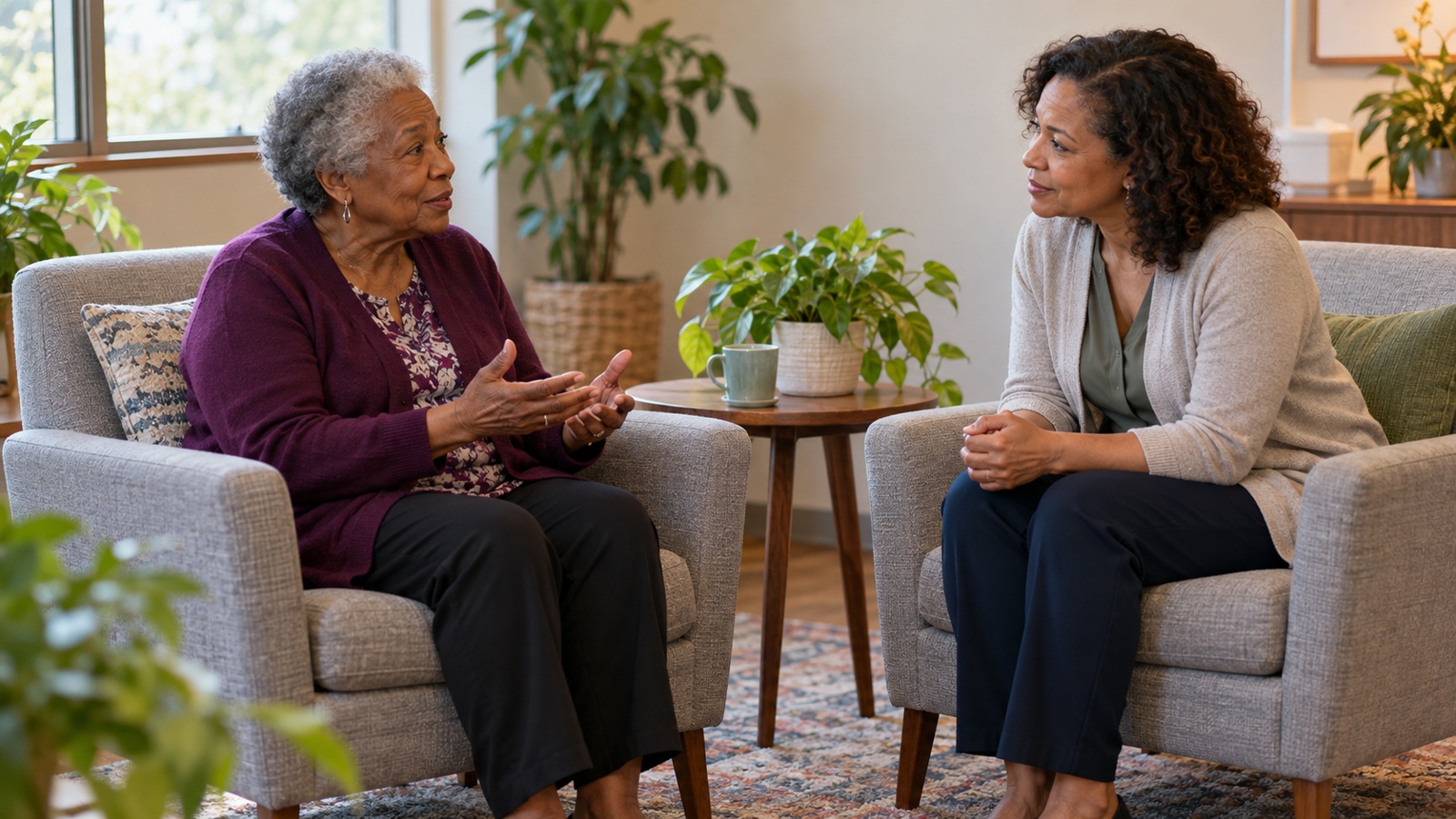
Try to describe the exact moment that brings worry. Is it beginning to walk, turning near a doorway, crossing an open space, or rising when no one is nearby? The answer may differ from the movement that looks difficult to an observer. A person can feel secure along a supported corridor and uneasy at an unfamiliar entrance. Those details help a clinician or therapist understand what needs attention.
Include what you fear will happen and what you currently do to avoid it. Perhaps you no longer enter a particular room, or you wait for a relative before leaving a chair. Explain the consequence without judging yourself. A clear account is more useful than a broad claim that you have lost all confidence. It also creates a starting point for a goal that is small enough to work on.
Keep physical symptoms in the description. Lightheadedness, painful movement, blurred vision, or new weakness should not be automatically labeled anxiety. Tell a medical professional about those changes and ask whether assessment is needed before practice. Fear and a genuine movement problem can exist together. Understanding one does not remove the need to address the other.
Review Falls and Near Falls With a Professional
Tell your clinician about falls, unsteadiness, and fear of falling, even when there was no obvious injury. The CDC older-adult fall-prevention information encourages those conversations and review of relevant risks. Describe the event and any symptoms around it rather than guessing its cause. A near fall can also reveal a difficulty worth assessing. Do not recreate the hazardous situation to demonstrate it at home. Appropriate review can help identify what should change before confidence-building practice begins, including medical assessment, equipment review, or rehabilitation.
Agree on Conditions for a Manageable Practice
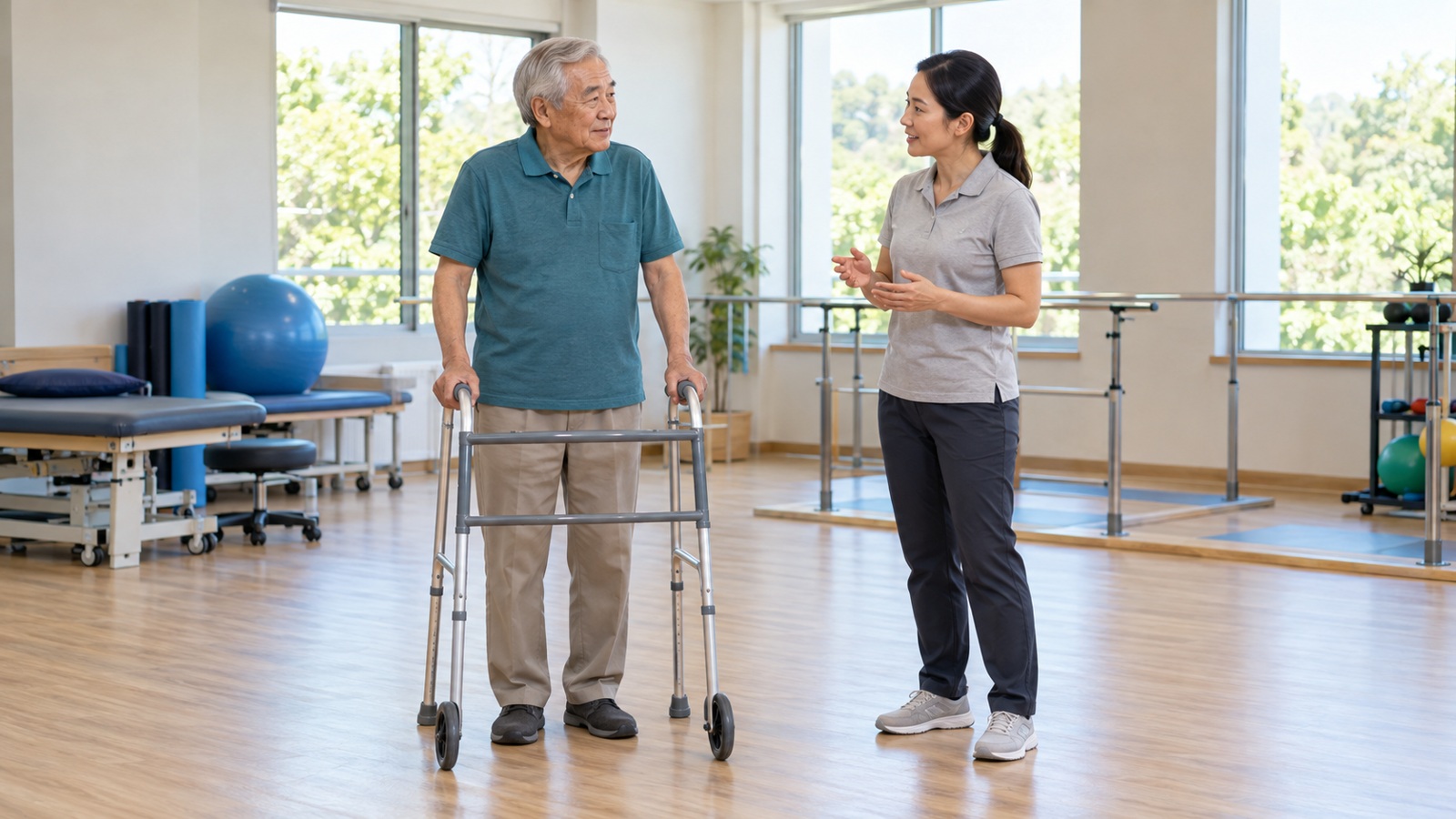
Work with a therapist or other appropriate professional to identify a starting movement and the support it requires. The setting, surface, equipment, assistance, and stopping rules should be clear. An easy version is not a personal failure; it provides an experience that can be assessed and repeated. Do not begin with the most feared situation simply because you want to get it over with.
For example, someone hoping to attend a family celebration might first work on a relevant short movement in an appropriate familiar setting. The therapist can help decide which part should be practiced and how it connects to the eventual outing. The aim is not to reproduce the whole event at once. A useful starting point respects current ability while giving the work a meaningful direction.
Use Support as Part of the Confidence Plan
A prescribed aid, appropriate companion, or suitable rest arrangement can make movement more predictable. Keep that support unless the professional overseeing mobility recommends a change. Confidence does not have to mean doing the same movement without a cane or walker. It may mean knowing how to use the support effectively and when to ask for help.
Check whether the equipment itself has become a source of uncertainty. A slipping tip, awkward brake, or poor fit may need attention. Report the issue rather than trying to overcome the worry by avoiding the device. The assessed aid should remain dependable in the conditions where you use it.
Support also includes practical knowledge. Knowing where you can pause, how help can be reached, and what happens if the plan changes may make an outing easier to approach. These arrangements should fit the actual setting rather than an imagined ideal trip. A clear plan can reduce uncertainty without promising that every risk has been removed.
Let Practice Produce Evidence, Not a Bravery Test
After an appropriate practice, notice what happened under the agreed conditions. Was the movement completed as planned, with the required aid and support? How did the body respond afterward? A successful experience can provide useful information, but it should not be used as permission to remove several supports at once. Ask which progression is appropriate. Likewise, a difficult session is information to review rather than proof that you cannot improve. Confidence develops more constructively when practice is treated as a guided learning opportunity instead of an examination of courage or a comparison with someone else’s ability.
Change One Relevant Demand When the Plan Allows It
Progression might involve a slightly different route, a longer manageable activity, or practice of a specific movement. The right change depends on the assessment and response. Avoid increasing distance, speed, environmental complexity, and independence together. Keeping the conditions clear helps you and the therapist understand why an experience became easier or harder.
Retain an approved simpler version for days when it is appropriate. A medical problem, fatigue, or unsafe weather may change what should be attempted. Choosing the easier arrangement is not necessarily avoidance; it may be a sensible response to current conditions. Discuss the difference between a clinically appropriate adjustment and anxiety-driven withdrawal so the plan remains both safe and useful.
Ask a Companion for Specific Helpful Behaviors
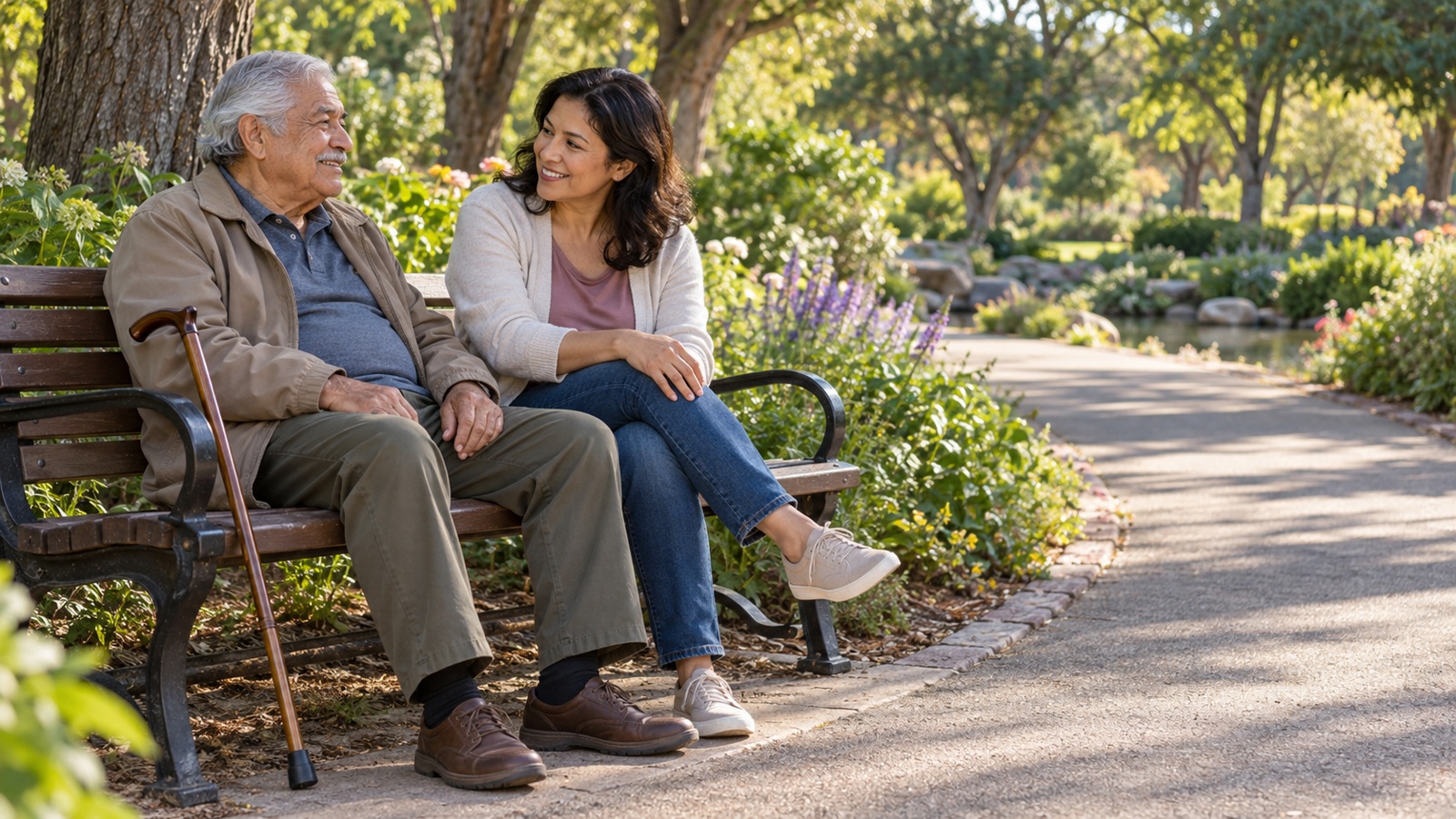
A companion can help by following the agreed pace, route, and assistance role. Explain what is useful before starting. Constant warnings, surprise touching, or repeated urging to hurry can make movement feel less predictable. Ask the person to use the communication you have agreed with the professional rather than inventing corrections along the way.
If physical assistance is required, the companion needs appropriate training. Reassurance is not a substitute for an assessed method, and a strong friend should not improvise lifting or catching. Confirm what they should do if the movement becomes difficult. That clarity protects both people and prevents a confidence outing from becoming an unplanned transfer task.
A supportive companion also respects your decisions. They can encourage the agreed practice without treating a pause as embarrassment or a reason to compare you with another person. Discuss concerns calmly afterward, including what felt helpful and what did not. The relationship should make participation easier, not turn movement into a negotiation about how much fear you are allowed to have.
Notice the Difference Between Caution and a Shrinking Life
Caution can be appropriate when a hazard, symptom, or restriction needs attention. But persistent fear can also narrow activity beyond what the assessed plan requires. Notice whether you are avoiding an approved manageable movement or repeatedly postponing something that matters despite suitable support. Bring that pattern to the clinician or therapist without blaming yourself.
The Guy’s and St Thomas’ information on fear of falling discusses ways to address anxiety and maintain participation. Use it as a conversation aid rather than a demand to solve the problem alone. Professional psychological support may be useful when distress is persistent or limits daily life. Seeking that help does not mean that your concern has been dismissed as imaginary.
Track Changes That Matter to You
Choose a meaningful observation rather than recording every step or worry. You might notice whether you can approach the agreed short practice with less hesitation, use the aid more comfortably, or participate in part of a family event with the planned support. Include the conditions so the comparison remains fair. A confident moment in a quiet setting is not the same as movement in a crowded one. Share both useful experiences and continuing difficulties at review. The aim is to identify a dependable change in participation, not to produce a diary in which every day must show improvement.
Respond to a Setback With Review, Not Blame
A new fall, painful episode, or illness can shake confidence even after useful progress. Seek the assessment appropriate to the event and explain how your concerns have changed. Do not immediately resume a previously approved practice if a new symptom or restriction may have altered its suitability. Serious injury, stroke-like symptoms, severe chest discomfort, or major breathing difficulty call for appropriate urgent or emergency care.
When the situation has been reviewed, discuss how to restart. The starting point may be different from the last successful session. That does not erase earlier learning. Ask which support and goals remain appropriate and what should change.
Avoid trying to make up for a setback with an unusually difficult outing. A smaller reviewed experience may provide a better foundation. Family members should not use past success as an argument that current fear is unreasonable. The relevant question is what the person needs now to move within an appropriate plan, including any medical or emotional support that has become necessary.
Connect Confidence With a Real Opportunity to Participate
Once a practice is working, discuss how it relates to the activity you want to resume. A family celebration may involve travel, unfamiliar seating, crowds, and a return journey as well as walking. Decide which part is currently manageable and what support or adaptation is required. Attending for a shorter period can still be meaningful. The goal is participation on workable terms, not reproducing someone else’s full day. Revisit the arrangement if the venue or assistance changes. Confidence becomes useful when it helps you make an informed choice about living, rather than only feel better about a clinic exercise.
Keep the Plan Flexible as Your Life Changes
Review confidence-building goals when health, equipment, routines, or available assistance changes. A plan should remain current rather than being repeated because it once worked. Ask how to seek advice when a new difficulty appears between appointments. Keep the contact route accessible and make sure a helper knows the limits of the arrangement.
Enjoyment belongs in the plan. Choose a suitable activity or destination that gives the effort a reason beyond correcting fear. A pleasant manageable experience can help movement remain part of the week. Do not require every outing to become a formal practice session.
Rebuilding confidence is rarely an all-or-nothing transformation. It can mean recognizing a real risk sooner, trusting the agreed support, or returning to one valued activity with less uncertainty. Preserve those gains while continuing to address unresolved concerns. Seniors deserve encouragement that respects their experience and assistance that fits their needs; neither courage nor complete independence should be demanded as the price of participation.
Get Useful Venue Information Without Testing It Alone
Before a family event, ask the organizer about the entrance, seating, accessible route, and a quiet place to pause. A companion can gather those details without requiring you to make a reconnaissance trip beyond the current plan. Share the information with the professional if it changes the assessed demands. Avoid relying on a broad assurance that the venue is easy for everyone. Specific facts make planning more useful and can reduce uncertainty without treating a visit as a test of whether you have conquered fear.