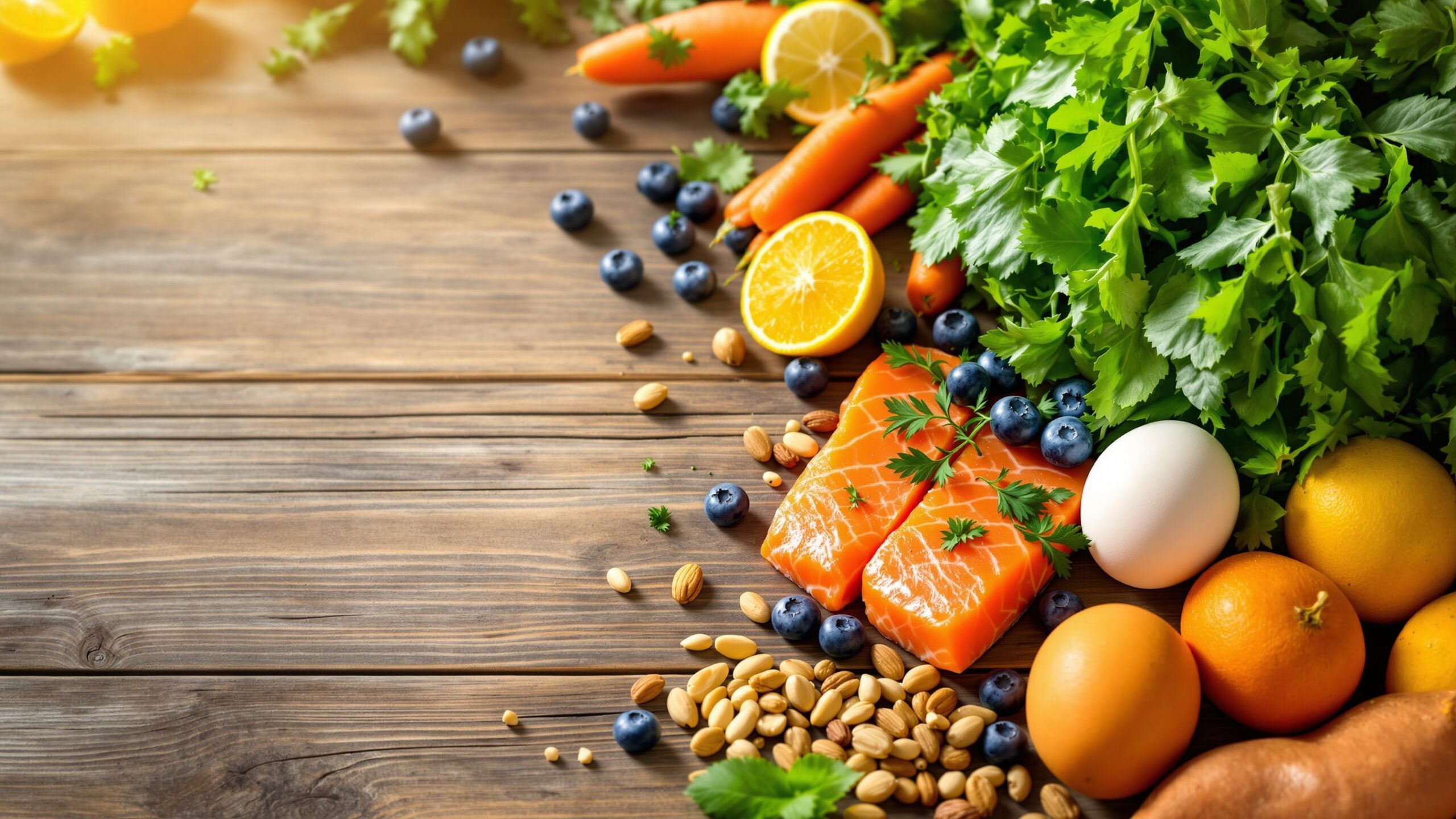
Healthy eyesight depends on much more than simply wearing glasses or visiting the eye doctor occasionally. The eyes are living organs that rely on proper nutrition, circulation, hydration, and overall wellness to function at their best. As people age, protecting vision becomes increasingly important because age-related changes can gradually affect clarity, focus, and overall eye health.
Many seniors notice that reading becomes more difficult, eyes feel tired more quickly, or nighttime vision changes over time. While certain vision changes are a natural part of aging, science continues to show that healthy nutrition may help support long-term eye health and reduce the risk of certain age-related eye conditions.
The foods people eat every day provide nutrients that help protect delicate eye tissues from damage caused by aging, oxidative stress, inflammation, and environmental exposure. Certain vitamins, antioxidants, and healthy fats are especially important for supporting retinal function, circulation, moisture balance, and overall visual health.
Healthy eating habits cannot guarantee perfect vision forever, but they can play a major role in supporting clearer eyesight, healthier aging eyes, and better overall wellness.
A: Leafy greens, colorful vegetables, fish, nuts, eggs, and fruits are commonly recommended.
A: Carrots contain nutrients that support eye health, but balanced nutrition matters most overall.
A: Nutrition supports eye health, but sudden or worsening blurry vision should be medically evaluated.
A: Proper hydration helps support tear production and eye comfort.
A: Some people may benefit, but many nutrients can come from balanced meals.
A: Long-term blood sugar issues can affect the eyes and overall vision health.
A: Omega-3 fats found in fish may support eye comfort for some individuals.
A: Healthy eating becomes increasingly important as vision naturally changes with age.
A: No, nutrition helps support eye health but does not replace professional care.
A: Eat a variety of colorful whole foods consistently and stay hydrated.
Why Nutrition Matters for Eye Health
The eyes require constant nourishment to function properly. Tiny blood vessels deliver oxygen and nutrients to sensitive eye tissues, while antioxidants help protect against cellular damage caused by free radicals and inflammation.
As people age, oxidative stress may contribute to common eye conditions such as cataracts and age-related macular degeneration. Proper nutrition helps support the body’s natural defense systems and may help reduce some of this damage over time.
Many nutrients associated with eye health also support brain function, circulation, heart health, and immune wellness. Since the eyes are closely connected to overall physical health, healthy nutrition benefits the entire body while also supporting vision.
A balanced diet filled with colorful whole foods often provides many of the nutrients needed for healthier aging eyes.
Leafy Greens and the Power of Lutein
Leafy green vegetables are among the most powerful foods for supporting eye health naturally. Vegetables such as spinach, kale, collard greens, and Swiss chard contain lutein and zeaxanthin, two antioxidants strongly associated with protecting the retina and macula.
These antioxidants help filter harmful blue light and may reduce oxidative stress within the eyes. Research suggests that diets rich in lutein and zeaxanthin may help support long-term retinal health and reduce risks associated with age-related vision decline.
Leafy greens also provide vitamin C, vitamin E, and other nutrients that support healthy circulation and tissue repair. Adding salads, sautéed greens, soups, or smoothies to regular meals may help increase these important nutrients naturally.
For many seniors, leafy greens become one of the most beneficial additions to an eye-healthy diet.
Carrots and Vitamin A for Healthy Vision
Carrots have long been associated with healthy eyesight, and there is real science behind that connection. Carrots contain beta-carotene, which the body converts into vitamin A. Vitamin A plays a major role in maintaining healthy retinas and supporting night vision.
A deficiency in vitamin A may contribute to dry eyes and difficulty seeing in low-light conditions. While carrots alone cannot dramatically improve eyesight, they remain an excellent source of nutrients that support overall eye function.
Sweet potatoes, pumpkin, butternut squash, and other orange vegetables also provide high amounts of beta-carotene. These foods support healthy vision while also providing fiber and antioxidants that benefit overall wellness.
Fatty Fish and Omega-3 Fatty Acids
Fatty fish such as salmon, sardines, tuna, trout, and mackerel provide omega-3 fatty acids that support both eye and brain health. Omega-3s help maintain healthy retinal function and may reduce inflammation associated with dry eyes.
Many seniors experience dry eye symptoms as tear production naturally decreases with age. Omega-3 fatty acids may help support healthier tear quality and improve overall eye comfort.
Fish also supports heart health and circulation, which indirectly benefits the eyes by improving blood flow to delicate visual structures.
Adding fish to meals several times per week may provide important nutrients that support long-term eye wellness naturally.
Eggs and Nutrient-Rich Eye Support
Eggs provide multiple nutrients associated with healthy eyesight, including lutein, zeaxanthin, vitamin A, and zinc. The yolk contains antioxidants that help protect the eyes from oxidative damage and support retinal health.
Zinc is especially important because it helps transport vitamin A from the liver to the retina where it supports visual function. Zinc may also help support night vision and overall eye performance.
Eggs are versatile, affordable, and easy to include in balanced meals for seniors. They also provide high-quality protein that supports muscle health and healthy aging overall.
Citrus Fruits and Vitamin C
Vitamin C is a powerful antioxidant that supports healthy blood vessels throughout the body, including those inside the eyes. Citrus fruits such as oranges, lemons, grapefruit, and tangerines provide large amounts of vitamin C that may help support long-term eye health.
Berries, kiwi, strawberries, and bell peppers are also rich in vitamin C. These foods help protect cells from oxidative stress while supporting immune function and circulation.
Research suggests that antioxidant-rich diets may help reduce risks associated with cataracts and other age-related eye changes over time.
Colorful fruits provide important nutrients while also supporting hydration and overall wellness.
Nuts and Seeds for Vitamin E
Nuts and seeds provide healthy fats, vitamin E, and important minerals that support eye health naturally. Almonds, sunflower seeds, walnuts, chia seeds, and flaxseeds are especially rich in nutrients associated with protecting eye tissues from oxidative damage.
Vitamin E acts as an antioxidant that helps protect cells from free radical damage caused by aging and environmental stressors.
Healthy fats from nuts and seeds also support brain function, circulation, and inflammation control, all of which contribute to overall eye wellness.
Small portions of nuts and seeds make convenient additions to meals, salads, oatmeal, or snacks throughout the day.
Blueberries and Dark Berries for Eye Protection
Blueberries, blackberries, raspberries, and other dark berries contain antioxidants called anthocyanins that help protect blood vessels and support healthy circulation.
Healthy circulation is essential for maintaining oxygen and nutrient delivery to the eyes. Antioxidants found in berries may also help reduce inflammation and oxidative stress linked to aging.
Many berries also contain vitamin C and fiber, making them excellent choices for both eye health and overall wellness.
Fresh or frozen berries can easily be added to yogurt, smoothies, cereal, or healthy desserts.
Sweet Potatoes and Orange Vegetables
Sweet potatoes provide high amounts of beta-carotene along with vitamin C, fiber, and antioxidants. These nutrients support healthy retinal function and help maintain moisture balance in the eyes.
Other orange vegetables such as pumpkin, squash, and carrots offer similar benefits. Brightly colored vegetables often contain compounds that support healthy vision and protect against cellular damage.
Including a variety of colorful vegetables in meals helps provide a wide range of nutrients that support overall eye wellness naturally.
Beans and Legumes for Zinc and Circulation
Beans, lentils, black beans, and chickpeas provide zinc, protein, and fiber that support healthy circulation and eye function.
Zinc helps support retinal health and may assist the body in using vitamin A more effectively. Legumes also help stabilize blood sugar levels, which is especially important for seniors managing diabetes or metabolic health concerns that may affect vision.
Healthy circulation and blood sugar management both play important roles in protecting long-term eyesight.
Hydration and Eye Comfort
Water may not technically be a food, but hydration strongly affects eye health and comfort. Many seniors experience dry eyes due to aging, medications, or reduced tear production.
Proper hydration helps support moisture balance throughout the body, including the eyes. Dehydration may worsen irritation, redness, blurry vision, and eye fatigue.
Foods with high water content such as cucumbers, watermelon, oranges, celery, and soups may also help support healthy hydration levels.
Drinking water consistently throughout the day helps maintain comfort and supports overall wellness.
Foods That May Harm Eye Health
Just as some foods support healthy vision, others may contribute to long-term health problems that indirectly affect the eyes. Diets high in excessive sugar, processed foods, unhealthy fats, and sodium may increase inflammation and contribute to conditions such as diabetes and high blood pressure that can damage vision over time.
Smoking and excessive alcohol use may also negatively affect circulation and increase risks for cataracts and macular degeneration.
Balanced nutrition focused on whole foods often supports healthier vision more effectively than restrictive dieting or quick-fix supplements alone.
The Importance of Overall Healthy Living
Eye health is closely connected to overall physical wellness. Healthy nutrition works best when combined with regular exercise, quality sleep, stress management, UV protection, and routine eye exams.
Exercise improves circulation to the eyes, while sleep supports tissue repair and nervous system recovery. Wearing sunglasses helps protect against UV damage, and managing chronic conditions such as diabetes or hypertension may help reduce risks for vision complications.
Protecting eyesight involves caring for the entire body, not just the eyes alone.
Building an Eye-Healthy Diet Over Time
Improving nutrition does not require perfection or dramatic overnight changes. Small improvements practiced consistently often create meaningful long-term benefits.
Adding more vegetables, fruits, healthy fats, fish, nuts, seeds, and whole foods gradually can support healthier vision naturally over time. Seniors may benefit from focusing on colorful meals that provide a wide variety of nutrients.
Healthy eating habits also support energy, brain function, heart health, and emotional wellness, creating benefits that extend far beyond vision alone.
Conclusion
Healthy vision depends heavily on proper nutrition and overall wellness, especially as people age. Foods rich in antioxidants, omega-3 fatty acids, vitamins, minerals, and healthy fats help support retinal health, circulation, hydration, and long-term eye function.
Leafy greens, carrots, fatty fish, berries, citrus fruits, eggs, nuts, seeds, beans, and colorful vegetables all provide important nutrients associated with clearer vision and healthier aging eyes.
Although no food can completely prevent vision changes, healthy eating habits may help protect delicate eye tissues and support better long-term eyesight. Combined with exercise, hydration, sleep, UV protection, and regular eye care, an eye-healthy diet can play an important role in maintaining independence, comfort, and quality of life throughout aging.